You’ve probably already pictured the campsite. It’s quiet, there’s no neighbor ten feet away, and the view out your door beats any full-hookup resort. That’s what makes boondocking appealing in the first place. Then the practical questions hit. How long will the battery last? What happens when the fresh tank drops faster than expected? What if the spot is rough, windy, and far enough out that your phone turns into a paperweight?
Those worries are reasonable. Inadequate power leads to 35% of first-time boondockers cutting trips short, and with RV shipments reaching 600,240 units in 2021 and 48% of RVers now boondocking, preparation matters more than ever, according to this boondocking trends overview. Most trip-ending problems don’t start as disasters. They start as small oversights. A weak battery bank. No backup water plan. No way to verify the road or contact anyone if the weather turns.
The easiest way to think about Boondocking Essentials: What to Buy Before Your First Off-Grid Trip is as a hierarchy of needs. Start with Power so the rig stays functional. Move to Water so you can stay out longer without becoming miserable. Finish with Safety and Comfort so a remote campsite feels controlled instead of risky.
That framework also keeps beginners from wasting money. Too many people buy decorative campsite gear first and only later learn they needed a better battery plan. If you’re still sorting out your electrical setup, this guide to choosing the best RV battery for boondocking is a useful starting point before you buy anything else.
Your First Step Toward Off-Grid Freedom
The first off-grid trip usually goes one of two ways. Either you come home feeling like you’ve found a rewarding new style of RV travel, or you spend half the trip watching tank levels and battery voltage with a knot in your stomach.
The difference usually isn’t the campsite. It’s the prep.
I’ve seen new boondockers put all their attention on finding the perfect remote spot and almost none on what it takes to function once they get there. That’s backwards. A beautiful site doesn’t help if your fridge starts draining the batteries faster than expected, your shower routine burns through the tank, or you arrive too late to see that the pad is badly off-level.
Practical rule: Buy for self-sufficiency first. Buy for convenience second. Buy for ambiance last.
Three pillars keep the whole trip steady:
- Power keeps the essentials alive. Lights, water pump, charging, refrigeration support, fans, and any device you rely on daily.
- Water determines how long you can comfortably stay. Most first-timers think about fresh water but forget gray tank capacity and refill logistics.
- Safety and comfort cover the gear that prevents bad decisions. Navigation tools, leveling gear, emergency supplies, and a few comfort upgrades all reduce stress.
That mental model matters because these systems are connected. A longer shower means less water and more gray tank load. Running a generator too little can leave batteries low. Picking a poor site can affect leveling, solar exposure, safety, and even whether you can leave easily after rain.
Boondocking gets much easier when you stop treating it like camping with extra gear and start treating it like resource management in a moving cabin.
Mastering Your Off-Grid Power System
Power is the first purchase category for a reason. If your electrical setup is weak, everything else gets harder fast. Lights become a luxury. Fans become a negotiation. Charging phones feels urgent instead of routine. The water pump itself becomes something you think twice about using.
Experts recommend a hybrid setup with 100-200Ah of LiFePO4 batteries, 200-400W of solar panels, and a 2000W inverter, according to Keystone’s boondocking essentials guidance. The same source notes a common beginner mistake: 70% of novices install under 300W of solar, which leads to a 40% power failure rate on cloudy days.

Start with an energy audit
Before buying a battery, solar panel, or generator, figure out what you use.
A simple energy audit means listing the gear you expect to run every day. Focus on essentials first. Refrigerator support, LED lights, vent fans, water pump, device charging, and any medical or work equipment. If you start by sizing for coffee makers, hair tools, or electric heat, you’ll overspend and still miss the point.
A practical way to think about it is to split loads into three buckets:
| Load type | What belongs here | Buying implication |
|---|---|---|
| Always on or frequent | fridge support, lights, fans, pump | Battery capacity matters most |
| Weather dependent | extra fan use, occasional furnace support | Solar and battery buffer matter |
| Short heavy draws | microwave, small appliances, outlet use | Inverter size and generator backup matter |
That audit usually reveals something useful. The typical boondocker doesn’t need enough power to run everything the way they do at home. They need enough power to run the right things consistently.
Buy batteries for usable capacity
Battery banks are a common pitfall for many first setups. One that looks adequate on paper may still feel weak in the field if it can’t deliver usable capacity day after day.
LiFePO4 batteries are the practical choice for most beginners because they handle repeated off-grid use better than older lead-acid styles. If your budget allows it, this is one place I wouldn’t cut corners. A battery upgrade fixes daily pain points in a way flashy accessories never will.
For many first-time setups, the useful target is the range already noted above: 100-200Ah of LiFePO4. That’s enough to support a modest off-grid routine if your expectations are realistic and your loads are controlled.
If you want a deeper look at system matching, battery banks, and panel sizing, this guide to RV solar kits for boondocking setups is worth reading before you commit to hardware.
A strong battery bank doesn’t mean you can ignore conservation. It means your normal use doesn’t feel like a crisis.
Size solar for bad conditions, not perfect ones
Solar is often sold to beginners as freedom in a box. It isn’t. Solar is excellent when your roof space, battery bank, charge controller, and campsite conditions all line up. It’s much less impressive in trees, storms, winter angles, or long shaded mornings.
That’s why undersizing is such a costly mistake. If your system only works on clear, ideal days, it’s not a reliable system.
When you shop, pay attention to the whole chain:
- Panels: More roof wattage gives you margin, especially when weather turns.
- Charge controller: An MPPT controller is the smarter buy for many boondockers because it makes better use of panel output in changing conditions.
- Wiring and protection: Clean installation matters. Loose assumptions about cable size and protection usually show up later as weak performance or trouble to diagnose.
Specific component families often mentioned by experienced RVers include Victron controllers for monitoring and charging, and Micro-Air thermostatic controls for managing HVAC behavior more intelligently. One practical source for those categories is RVupgrades.com, which carries brands such as Micro-Air, Victron-related solar components, and other electrical gear.
Don’t skip the inverter or the generator
A lot of people obsess over solar and barely think about the inverter. That’s a mistake. The inverter determines whether your stored battery power becomes useful household-style power for the devices you need.
For a beginner-friendly off-grid setup, the cited recommendation above points to a 2000W inverter. That size generally gives you room for common plug-in needs without pretending you’re on shore power.
The backup generator is the part many new boondockers resist buying because it feels less romantic than solar. It’s still one of the smartest purchases you can make. Solar is your daily worker. A generator is your recovery plan. If clouds stack up, battery charging falls behind, or temperatures push your system harder than expected, backup power keeps the trip from unraveling.
What works and what doesn’t
What works is a boring, resilient system. Enough battery. Enough solar to recover. A correctly sized inverter. A generator for ugly days.
What doesn’t work is building around wishful thinking. Tiny solar arrays, vague battery assumptions, and no backup plan almost always look fine in the driveway and much worse by night two.
Managing Your Water Supply and Waste
Water problems don’t announce themselves with alarms the way low voltage does. They creep up. The tank drops faster than expected, dishes stack up, the gray tank gets fuller than your fresh tank can support, and suddenly the trip revolves around conservation drills.
A workable off-grid water plan has four parts: carry enough, use less, make it safe, and deal with the waste cleanly. According to Roadtrippers’ boondocking guidance, a 4-step water management protocol can achieve 7-10 days of self-sufficiency. That approach includes a 20-40 gallon bladder, low-flow showerheads that save 60% versus standard models, and a multi-stage filtration stack for safer drinking water.

Carry more water than your onboard tank alone
Your fresh tank is only part of your real capacity. If you want flexibility, carry supplemental storage. A portable bladder gives you options without forcing you to break camp just because your onboard fresh tank is getting low.
That matters more than most beginners expect. The wrong refill plan can turn a relaxed stay into a relocation day.
A simple buying stack looks like this:
- Primary storage: Your onboard fresh tank, filled before departure.
- Expansion capacity: A 20-40 gallon portable bladder for backup haul or staged refill.
- Transfer gear: A pump and potable hose dedicated to fresh water use.
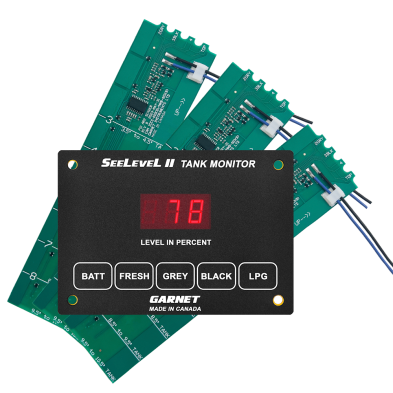
- Monitoring: Tank awareness, either through stock monitoring or upgraded sensors that you trust.
Conservation beats capacity
Bigger tanks help. Better habits help more.
Low-flow showerheads earn their keep immediately. If a showerhead saves 60% compared with a standard unit, that’s not a minor tweak. It changes how long you can stay out before the math catches up to you. The same goes for faucet aeration and dishwashing routines that avoid running water continuously.
These habits make a bigger difference than they sound like they should:
- Wipe dishes first: Food residue removed before washing means less water and less tank load.
- Use short, deliberate rinse cycles: Don’t let the faucet run while deciding what to wash next.
- Treat showers as quick resets: Off-grid showers are about function, not comfort-spa timing.
- Track gray tank buildup: Fresh water isn’t the only limit. Waste capacity often ends the stay first.
The best water-saving upgrade is the one you’ll actually use every day. Fancy capacity doesn’t help if your habits stay wasteful.
Filter for safety, not just taste
A lot of beginners buy a basic inline filter and assume they’re covered. That may improve taste and sediment issues, but it doesn’t replace a real filtration plan when water quality is uncertain.
For off-grid use, think in layers. Start with sediment control, then carbon filtration, then stronger treatment if your source quality is questionable. The point is not to chase a perfect lab setup. The point is to reduce risk and make practical refills more usable.
If you’re comparing options, this overview of RV water filtration systems for cleaner off-grid water does a good job of framing the differences between simpler inline filters and more complete setups.
Waste gear is not optional
Portable waste handling is one of those purchases people delay because it isn’t exciting. Then they need it.
A portable tote gives you a way to move waste without relocating the whole rig. A macerator pump can make certain dump scenarios cleaner and less frustrating, especially when gravity and site layout aren’t helping. Neither item is glamorous. Both can save a trip.
What works here is treating water as a full cycle. Bring enough in. Use less of it. Filter what needs filtering. Have a clean plan for what comes out.
Safety and Connectivity Essentials for Remote Camping
Remote camping stops feeling peaceful the moment you realize you can’t confirm the road ahead, can’t level safely, or can’t get a signal when weather moves in. That’s why I put safety and connectivity in the same bucket. Most problems in the backcountry aren’t dramatic. They’re preventable.
With 40% of boondocking sites having no cell service, tools such as an RV GPS, paper maps, and a cellular booster matter. The same Camping World overview of off-grid essentials notes that 28% of trip failures were due to poor site selection or weather, which is why daylight arrival and proper leveling gear deserve real attention.

Navigation and communication
Your phone is a useful tool. It isn’t a complete plan.
An RV-specific GPS helps you avoid routing mistakes that don’t matter in a car but absolutely matter in a trailer or motorhome. Paper maps are the fallback that still works when batteries, apps, or signal don’t. A cellular booster can be the difference between weak service and usable service in fringe areas, especially if you depend on weather updates, work access, or emergency contact.
If you want a practical overview of how to improve connectivity before heading out, Magic Eagle's remote cell service advice is a helpful primer on signal limitations and setup basics.
Campsite setup safety
A safe campsite starts before you stop the rig.
Arrive in daylight whenever possible. You need to see the slope, the rutting, the branch clearance, the turnaround space, and the way water will move if it rains. A site that looks fine at dusk can look very different the next morning.
Key purchases in this category are straightforward:
- Leveling gear: Blocks or a leveling system help appliances, sleep quality, and overall stability.
- Wheel chocks: Essential any time you’re parked on uneven terrain.
- Ground-awareness tools: A flashlight or headlamp is simple, but it prevents sloppy setup.
- Tire monitoring and basic recovery items: Not glamorous, but useful when roads get rough.
A lot of site problems come from rushing. People pull in late, skip a proper walk-around, and commit to a spot they would have rejected in daylight.
Here’s a useful walkthrough before you head out:
Emergency readiness
Remote camping doesn’t require paranoia. It does require respect.
Carry a dedicated first-aid kit, not a half-used glovebox pouch. Keep fire safety gear accessible, not buried behind bins. Make sure someone knows where you’re headed if you’re camping well outside normal traffic.
If a problem would be easy at a campground but hard in a remote wash or forest road, pack for the remote version.
The common thread in all of this is simple. Safety gear isn’t just for emergencies. It helps you avoid creating one in the first place.
Comfort Upgrades That Elevate Your Experience
Survival gear gets you through the trip. Comfort gear decides whether you want to do it again.
That distinction matters because some purchases look optional until you’ve spent a few nights off-grid. A dusty entry area, nowhere comfortable to sit outside, and a clumsy cooking setup can make a great location feel like work. The right comfort items don’t just make camp prettier. They reduce friction all day long.
Build an outdoor room
The campsite itself is part of the experience. If you boondock only inside the RV, you miss most of why people seek out remote places in the first place.
A few upgrades have outsized value:
- Outdoor mat or rug: Keeps dirt down and gives the site a defined living area.
- Solid camp chairs: Cheap chairs are miserable after one evening. Good ones get used every trip.
- Shade setup: If your site lacks natural cover, portable shade changes how long you can comfortably stay outside.
- Propane fire pit: Easier to manage than a wood fire, cleaner around the rig, and often the more practical option when conditions are dry or wood gathering is a hassle.

Upgrade your cooking before you upgrade your decor
A lot of first-timers buy decorative campsite accessories before fixing how they cook. That’s backwards.
A better off-grid cooking setup makes every day easier. A compact grill, dependable cookware, and a simple prep routine reduce cleanup, lower indoor heat load, and make limited water easier to manage. If I had to choose between decorative lights and a cooking setup that works well outdoors, I’d take the cooking setup every time.
Control temperature without overworking your power system
Comfort also means staying cool or warm without abusing your electrical reserves. Small 12-volt fans, reflective window coverings, and smart ventilation habits do more than people expect. In cold conditions, RV-safe heat solutions that don’t depend heavily on your battery bank can make overnight stays much more manageable.
Good comfort gear pulls double duty. It doesn’t just feel nice. It protects your core systems by reducing unnecessary strain.
A comfortable campsite is easier to keep organized, easier to enjoy, and easier to stay in longer without feeling worn down.
The best comfort upgrades are the ones you notice every few hours, not just when you’re showing the rig to someone else.
Frequently Asked Questions About Boondocking
How do I find legal and safe places to boondock
Start with reputable mapping and campsite tools, then verify the local rules before you go. According to this guide on legal boondocking tools and current limits, post-2025 dispersed camping limits have tightened in 40% of high-use areas, and tools like iOverlander or Campendium Premium, at about $50 per year, help users find verified free sites. The same source notes that 60% of boondockers report connectivity as their top concern, which is another reason to check signal reports when you evaluate a location.
Use apps to narrow your list, then do a second check for land manager rules, access notes, and recent user reports. If a road description is vague, have a backup site. If a site is legal but looks questionable for your rig length or clearance, skip it.
Does the 14-day stay limit always apply
No. Stay limits vary by land manager and location.
Some public lands use a 14-day limit, but that’s not a universal rule you can apply everywhere without checking. Specific areas may have tighter limits, seasonal restrictions, or local enforcement priorities. Don’t assume a general rule protects you from a site-specific one. Read the posted regulation for the exact district or area you plan to use.
Is boondocking safe for beginners or solo travelers
Yes, if you approach it conservatively.
A beginner-safe strategy is to choose a known location with easy access, arrive in daylight, tell someone where you’ll be, and avoid pushing too far into remote terrain on your first trip. Pick a site you can leave without drama if weather changes. Trust your instincts if a location feels wrong. The point of a first trip is to build confidence, not prove toughness.
A short, close-to-home overnight can teach more than a highly ambitious route ever will.
Your First Boondocking Trip Awaits
The easiest way to stay calm on your first off-grid trip is to keep the checklist simple. Power. Water. Safety and comfort. If those three pillars are handled, the rest becomes a lot more enjoyable.
You don’t need a perfect rig to start. You need a rig with a sensible plan. Enough battery and backup power to stay functional. Enough water capacity and conservation tools to stay comfortable. Enough navigation, leveling, and emergency gear to stay in control.
The smartest move before a big remote trip is a short shakedown close to home. Spend one or two nights off-grid where leaving is easy if something doesn’t work. That test will show you more than any shopping list can. You’ll learn what you use, what you forgot, and what deserves an upgrade before the next trip.
If you’re ready to outfit your rig with practical off-grid gear, RVupgrades.com is one place to compare RV electrical, water, leveling, HVAC, and outdoor living components before your first boondocking run.