Imagine the freedom of hitting the open road with all the comforts of home hitched right to your bumper. That's the real magic of a pull behind camper—it’s one of the most popular and flexible ways to get into the RV lifestyle. This guide is your starting line, designed to cut through the jargon and get you feeling confident for the adventures ahead.
Your Adventure Begins with a Pull Behind Camper

A pull behind camper, which you'll also hear called a travel trailer, is simply any RV without a motor that's built to be towed by a truck or SUV. Think of it as your own mobile basecamp. You can pull into a campsite, unhitch it, and suddenly your tow vehicle is free for quick trips to the store or exploring those narrow backroads. This simple design is why you see them everywhere.
This flexibility is a huge plus. Unlike a big motorhome where you have to take your entire house with you on a grocery run, a pull behind gives you the freedom to set up camp and then roam freely.
Why Start with a Towable RV?
For a lot of folks, the thought of getting behind the wheel of a massive, bus-sized motorhome can be pretty nerve-wracking. A pull behind camper offers a much more approachable, and often more affordable, path to becoming an RVer. The learning curve is all about mastering the art of towing—a skill you’ll get better at with every trip.
Plus, the sheer variety is incredible. Whether you’re just planning a few weekend getaways or you’re dreaming of living on the road full-time, there’s a pull behind camper out there made for you.
The core appeal of a pull behind camper is simple: it separates your living space from your driving space. This allows for greater freedom at your destination and a lower initial investment compared to an all-in-one motorhome.
Think of this guide as your trusted roadmap. We're going to skip the confusing industry talk and give you clear, practical advice on what really matters when you're just starting out.
By the time you're done reading, you'll have a solid grip on:
- The different types of campers and how to pick the right one for your style of adventure.
- The basics of safe towing, from understanding weight ratings to using the right safety gear.
- Key maintenance tasks that will keep your rig ready for the next trip and protect your investment.
- Essential accessories and upgrades that can make a huge difference in your camping experience.
We've been doing this for a long time, and we're here to give you the know-how you need for a great journey—from your very first tow to finding the right parts to keep your camper in top shape for years. Your adventure is waiting.
Finding the Right Pull Behind Camper for You
Picking out your first pull-behind camper feels like a massive decision, doesn't it? The key is to match the right rig to your personal travel style by being honest about your actual needs, your vehicle's towing limits, and your budget.
The great news is that if you're looking at towables, you're in good company. Pull-behind campers completely dominate the RV market because they offer a fantastic mix of flexibility and affordability. To give you an idea, towable RVs made up over 300,000 of the 342,220 total U.S. RV shipments in 2025—that's a whopping 88% of the entire market. With major brands like Forest River, Grand Design, and Keystone churning out amazing models, you've got an incredible variety to explore. You can dive deeper into the 2026 RV market trends to see just how popular these campers have become.
Travel Trailers: The All-Around Choice
When most people say "pull-behind camper," they're picturing a conventional travel trailer. These are the true workhorses of the RV world, available in lengths from under 20 feet to massive 35-foot-plus bunkhouses with multiple slide-outs.
Think of a travel trailer as the family sedan of the camper world. It’s practical, comes in countless layouts, and there’s a model out there for nearly any family size or budget. They connect to your tow vehicle with a standard ball hitch, making them compatible with a huge range of SUVs and pickup trucks.
- Best For: Families, couples, and weekend warriors looking for a great balance of features and towability.
- Pros: Enormous variety of floor plans, a wide price range, and you don't need a special hitch in your truck bed.
- Cons: They can be more prone to sway in windy conditions and are generally a bit trickier to maneuver than a fifth wheel.
Fifth Wheels: The Towable Condo
If a travel trailer is the sedan, a fifth wheel is the luxury SUV. These campers are built for comfort and longer stays, often tricked out with residential-sized appliances, separate bedrooms, and absolutely cavernous storage bays.
What really sets a fifth wheel apart is its unique hitch. The hitch gets mounted inside the bed of a pickup truck, and the front of the camper extends over the truck’s bed. This design creates incredible stability and practically eliminates the sway you can sometimes feel with travel trailers, leading to a much more confident towing experience.
Because the hitch point is over the truck’s rear axle instead of behind the bumper, a fifth wheel and truck combo feels more like a single, unified vehicle on the road. This makes backing up and maneuvering in tight spots surprisingly intuitive.
Pop-Up and Teardrop Campers: The Minimalist's Dream
For adventurers who prioritize mobility and a closer connection to nature, pop-up and teardrop campers are fantastic choices. A pop-up camper is essentially a tent on wheels; it's compact and low-profile for towing but expands at the campsite to reveal surprisingly roomy sleeping and living areas.
A teardrop trailer is the peak of minimalist travel. These tiny, lightweight campers usually have just enough room for a sleeping cabin and a "galley" kitchen in the back that opens up under a hatch. Their small size means you can tow them with many smaller SUVs or even some cars, which opens up the world of RVing to folks who don't own a big truck.
A Quick Comparison to Guide Your Choice
Choosing the right pull-behind camper is a very personal decision, and seeing the options side-by-side can really help. To help you get a clearer picture of the differences, I’ve put together a simple table breaking down the key characteristics of each type.
Pull Behind Camper Comparison At A Glance
This table compares the most common types of pull-behind campers to help you choose the best fit for your travel style and tow vehicle.
| Camper Type | Best For | Typical Weight Range | Pros | Cons |
|---|---|---|---|---|
| Travel Trailer | Families & Weekend Trips | 3,000 – 10,000 lbs | Huge variety, works with SUVs and trucks | Can be prone to sway, requires careful loading |
| Fifth Wheel | Full-Timers & Long Stays | 8,000 – 20,000+ lbs | Very stable towing, spacious residential feel | Requires a pickup truck, loses truck bed space |
| Pop-Up Camper | Budget-Conscious Campers | 1,500 – 4,000 lbs | Lightweight, easy to store and tow | Canvas sides offer less insulation and security |
| Teardrop Trailer | Solo Travelers & Couples | 800 – 3,000 lbs | Extremely easy to tow, can go anywhere | Very limited interior space and amenities |
Hopefully, this gives you a solid starting point. No matter which direction you go, there's a pull-behind camper out there that's perfect for your next adventure.
Mastering the Art of Towing Your Camper Safely
For new RV owners, towing a big camper is often the single biggest source of anxiety. But turning that fear into confidence just takes a little know-how and the right equipment. Let's break down the process so you can stop worrying and start focusing on the adventure ahead.
Towing safety is a three-part puzzle: knowing your weights, using the right gear, and practicing good driving habits. Once you see how these pieces fit together, you’ll feel a whole lot more comfortable hitting the road.
Understanding Your Towing Numbers
Before you hitch up, you must get familiar with three critical weight ratings. These aren't just suggestions—they are the absolute safety limits set by the vehicle and camper manufacturers. Ignoring them is a leading cause of towing accidents.
- Gross Vehicle Weight Rating (GVWR): This is the absolute maximum your tow vehicle can weigh, period. That includes the truck itself, all your passengers, any cargo in the bed, and the downward force from the trailer’s tongue.
- Payload Capacity: This is the total weight you can put in or on your tow vehicle. It includes you, your family, your gear, and most importantly, the camper's tongue weight.
- Tongue Weight: This is the downward force the trailer's tongue puts on the hitch ball. It's a critical number that should be 10-15% of your camper's total loaded weight for stable, safe towing.
The most common mistake new RVers make is blowing past their truck's payload capacity. They’ll check the max tow rating and think they're fine, but they forget that the trailer’s tongue weight—plus all their passengers and gear—counts against what the truck itself can carry.
Essential Towing Equipment for Your Pull-Behind Camper
Having the right gear isn't about convenience; it's a non-negotiable part of towing safely. Think of these tools as your on-road insurance policy, actively working to keep your family and your investment safe with every mile you travel.
A simple ball hitch might be fine for a little utility trailer, but a pull-behind camper demands a much more serious system. Since we're essentially towing our homes-on-wheels, having reliable hitches, brakes, and leveling systems is what keeps things smooth and boosts your confidence on the highway.
This chart gives you a simplified look at the different camper types, which directly impacts the kind of towing gear you'll need.

As you can see, the bigger you go—from a minimalist teardrop to a spacious travel trailer—the more demand you put on your towing system.
Must-Have Gear for Safe Towing
Here's the essential equipment you’ll need to tow just about any travel trailer safely and confidently.
Weight Distribution Hitch: For most travel trailers, this is non-negotiable. It uses spring bars to leverage the trailer's tongue weight, redistributing it across the axles of both the tow vehicle and the trailer. This keeps your truck's rear from sagging and, more importantly, keeps the front wheels planted firmly on the ground for proper steering and braking.
Sway Control System: Trailer sway is a terrifying and dangerous fishtailing motion that can quickly get out of control. A sway control system, often built into a weight distribution hitch, uses friction to actively fight these side-to-side movements, keeping your whole rig straight and stable.
Trailer Brake Controller: This device, mounted in your truck's cab, is your direct link to the camper's own brakes. It senses when you step on your truck's brakes and proportionally applies the trailer's brakes to assist. A properly adjusted brake controller is arguably the single most important piece of safety equipment you can own.
Getting a handle on these concepts and outfitting your rig with the right gear is a huge step. For a deeper dive into the practical side of things, check out our guide with more travel trailer towing tips. With the right setup, you’ll be towing your pull-behind camper with the confidence of a seasoned pro.
Essential Maintenance to Keep Your Camper Road-Ready

A great adventure begins long before you pull out of the driveway. Proactive maintenance is what separates a relaxing vacation from a trip-ending headache. By building a simple routine, you can catch small issues before they snowball into a costly, complicated repair on the side of the road.
The key is to think of it as a series of small, manageable check-ups instead of one massive, overwhelming task. Breaking maintenance down into pre-trip, post-trip, and seasonal schedules makes it easy to stay on top of everything.
Pre-Trip Preparedness
Before every single trip—no matter how short—there are a few non-negotiable checks that are critical for your safety. After a while, these quick inspections become second nature and can prevent the most common roadside issues.
- Tire Pressure and Condition: Grab a quality pressure gauge and make sure each tire is inflated to the spec listed on the camper's sidewall or data plate. Under-inflated tires are a primary cause of dangerous blowouts. While you're down there, give them a good visual inspection for cracks, bulges, or any weird wear patterns.
- Lug Nut Torque: It’s a smart move to check that your lug nuts are tightened to the correct torque spec, especially after your camper has been sitting for a while. This simple step ensures your wheels stay where they belong—securely attached to the camper.
Once you know your tires are good to go, hook up your tow vehicle and have a helper confirm all your lights are working. Check the brake lights, turn signals, and running lights. Then, give your trailer brake controller a quick test to make sure it’s engaging the camper's brakes like it should.
Sealing Out the Elements
Water is, without a doubt, the single biggest enemy of your camper's structural integrity. Even a pinhole leak can lead to widespread rot and thousands of dollars in damage over time. That’s why sealant and roof inspections are a non-negotiable part of your seasonal maintenance.
At least twice a year—I do mine in the spring and fall—get on a sturdy ladder and give your roof a detailed inspection. You’re looking for any cracks, gaps, or peeling in the lap sealant around every single thing mounted on your roof.
Think of your roof sealant as the first line of defense for your entire investment. Scrutinize the seals around vents, the air conditioner, antennas, and skylights. A few minutes of inspection can save you from thousands of dollars in hidden water damage repairs.
Similarly, check the seals around your slide-outs if your camper has them. These rubber seals create a barrier against rain, wind, and pests. Keeping them clean and conditioned with a good rubber seal conditioner stops them from drying out, cracking, and ultimately failing to do their job. For a more exhaustive list of checks, our complete travel trailer maintenance checklist is an excellent resource to keep you organized.
Keeping Your Systems Healthy
Beyond the exterior shell, the internal systems of your pull-behind camper also need regular attention to work safely and reliably. This is especially true for your fresh water system.
Sanitizing your fresh water tank and lines is a must for ensuring the water you drink and cook with is safe. It's recommended at the start of every camping season or any time the camper has been in storage. The process is straightforward:
- Drain any old, stale water from the system.
- Add a solution of bleach and water to your fresh water tank. A good rule of thumb is a quarter cup of bleach for every 15 gallons of tank capacity.
- Run the solution through every single faucet, both hot and cold, until you can smell the bleach.
- Let it sit for several hours. Then, drain the entire system and flush it with fresh water until the bleach smell is completely gone.
Finally, don't overlook the simple safety devices inside your rig. Regularly test the batteries in your smoke detector, carbon monoxide detector, and LP gas detector. These early warning systems are absolutely crucial for your safety and peace of mind on the road.
High-Impact Upgrades for Your Pull Behind Camper

Once you get your pull-behind camper home, the real fun begins. This is your chance to take a standard factory model and turn it into a personalized adventure basecamp that fits your travel style perfectly. Smart upgrades aren't just about adding cool gadgets; they're about solving common problems and making your time on the road more comfortable, convenient, and free.
For anyone who owns a trailer, upgrades are part of the journey. At RVupgrades.com, we've been helping folks do just that since 2001, stocking over 20,000 parts from top brands like Lippert and Dometic. These aren't just add-ons; they're what make off-grid adventures not just possible, but genuinely comfortable. This push for self-sufficiency is a huge part of where the industry is heading. You can read the full report on travel trailer market trends to see just how much these upgrades are changing the game.
Unlocking Off-Grid Power
If you dream of camping far from crowded campgrounds, one of the best upgrades you can make is to your electrical system. This is what unlocks true boondocking freedom.
A classic headache for many RVers is trying to run the air conditioner without being plugged into shore power. Most AC units need a massive surge of electricity to start up, which is way too much for a small, portable generator. The solution? An EasyStart soft starter. It gradually ramps up the compressor instead of hitting it with a jolt, letting you run your AC with a much smaller, quieter generator. It's an absolute game-changer on hot, muggy days.
Pairing an EasyStart with even a modest solar setup can completely redefine your camping experience. Suddenly, you're not constantly worried about battery levels or generator noise. You gain the freedom to stay cool and comfortable almost anywhere.
Enhancing Comfort and Convenience
Beyond power, there are several upgrades that can make daily life in your camper a whole lot better. These small changes often provide a huge return in terms of comfort and ease of use.
First, take a look at your entry steps. Those wobbly, springy steps that come standard on many campers can feel pretty unstable, especially for kids or anyone with mobility challenges. Upgrading to a set of solid, ground-supported steps like the MORryde StepAbove or Lippert Solid Step gives you a firm, residential-like staircase. It makes getting in and out of your camper far safer and more comfortable.
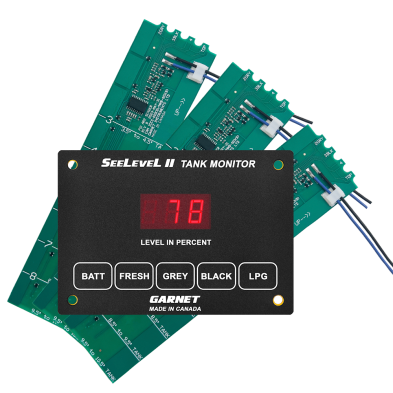
Next, let's talk about your monitoring systems. The factory-installed tank sensors in most RVs are notoriously inaccurate. They’ll often scream "full" when you know they aren't. A SeeLevel II Tank Monitor uses external sensors that give you precise, percentage-based readings of your fresh, gray, and black water tanks. When you know exactly how much capacity you have left, you can plan longer stays and manage your resources with confidence.
Finally, a simple lighting upgrade can make a world of difference.
- Switch to LED Lighting: If your camper is a few years old, it probably has incandescent bulbs that drain your battery and get surprisingly hot. Swapping them out for efficient LED bulbs uses just a fraction of the power and creates a brighter, more pleasant living space.
- Install Motion-Sensing Lights: Add small, battery-powered motion-sensing LEDs inside cabinets, storage bays, and closets. No more fumbling for a switch in the dark—just open the door and the light comes on. It's a small thing that feels like a luxury.
Upgrading Your Outdoor Living Space
Your campsite experience isn't just about what's inside your camper. Improving your outdoor "patio" area can literally double your living space. A good-quality awning is a must-have for shade and rain protection, but you can take it a step further. Adding an awning screen room or sunshade creates a bug-free, private space for relaxing, cooking, or dining.
These are just a few ideas to get you started on making your rig your own. For more inspiration, you might be interested in our guide on other popular RV upgrade ideas that can make your camper feel less like a vehicle and more like home.
Frequently Asked Questions About Pull Behind Campers
Getting into pull-behind campers is a blast, but it's totally normal to have a million questions. Here are some straight-up, practical answers to help you on your way.
What Kind of Vehicle Do I Need to Tow a Pull Behind Camper?
This is the big one, and it all boils down to weight. You have to start by checking your vehicle’s owner's manual for its tow capacity. Then, compare that number to the camper's Gross Vehicle Weight Rating (GVWR)—that’s the absolute maximum it can weigh when fully loaded.
- Lightweight Campers: Pop-ups and most teardrop trailers under 3,500 pounds can often be handled by a capable SUV, a minivan, or a light-duty truck.
- Mid-Size Travel Trailers: Once you get into the 3,500 to 8,000-pound range, you’re almost certainly going to need a half-ton pickup like a Ford F-150, Ram 1500, or Chevy Silverado 1500.
- Heavy Trailers: Big travel trailers and all fifth wheels, which easily push past 8,000 pounds, absolutely require a heavy-duty truck. Think Ford F-250/350 or something similar.
Don't forget to factor in your truck’s payload capacity, too. That’s the total weight of your passengers, all your gear in the truck bed, and the camper's tongue weight. You need to be safely under all the limits, not just the tow rating.
How Do I Handle Sway When Towing a Camper?
Trailer sway is one of the scariest things you can experience on the road. The good news is, it's almost always preventable with the right gear and a level head. Your first line of defense is proper trailer loading.
You need to make sure 10-15% of the trailer's total weight is pressing down on the hitch ball. We call this tongue weight, and having too little is the number one cause of sway.
If you feel the trailer start to fishtail, your gut will tell you to slam on the truck's brakes. Don't do it. Instead, take your foot completely off the gas and manually apply the trailer brakes using your in-cab brake controller. This makes the trailer gently tug the truck straight, stopping the sway.
Your second line of defense is the right equipment. A weight distribution hitch with built-in sway control is non-negotiable for any decent-sized travel trailer. It uses spring bars and friction to fight those side-to-side forces and keep everything tracking straight and true behind you.
Are Fifth Wheels Easier to Tow Than Travel Trailers?
Ask any seasoned RVer, and most will tell you that, yes, fifth wheels offer a more stable and confident ride. It all comes down to where the hitch is and how the weight is managed.
A fifth wheel's hitch sits in the truck bed, right over the rear axle. This puts the pivot point in a much more secure spot, making the truck and trailer act like one solid unit. It dramatically cuts down on sway and lets you make surprisingly tight turns. A travel trailer, on the other hand, hitches to the bumper area, creating a pivot point way behind the truck that can actually make sway worse.
So while fifth wheels are often a dream to tow and maneuver, they do require a pickup truck and you have to give up a big chunk of your bed space for that massive hitch.
How Often Should I Inspect My Camper's Roof?
Water is the absolute worst enemy of any RV. A small leak can lead to thousands in rot and mold damage before you even know it's there. Staying on top of roof inspections is the single most important maintenance task you can do.
I recommend a full visual inspection of your roof at least twice a year—spring and fall are perfect. You should also give it a once-over after anything that might have caused damage, like driving under low-hanging branches or getting caught in a bad hailstorm.
Get up on a sturdy ladder and look closely at the lap sealant around every single thing on that roof.
- Vents and vent covers
- Skylights
- The air conditioner
- Antennas
- The front and rear cap seams
You're searching for any cracks, gaps, or spots where the sealant looks like it's shrinking or pulling away. Even a tiny, hairline crack is an open invitation for water. If you find a bad spot, clean it up well and apply a fresh bead of a good self-leveling lap sealant to make it watertight again. And while it's not required by law in most places, I highly recommend getting specific travel trailer insurance; it can cover damage from things like falling trees that your auto policy won't touch.
From essential maintenance supplies like sealants to game-changing upgrades, RVupgrades.com has over 20,000 products to keep your pull-behind camper ready for any adventure. Check out our huge inventory and find exactly what you need.