If you've spent any time on the road, you’ve definitely seen them—those massive, impressive trailers connected to a hitch right in the middle of a pickup truck's bed. That's a fifth wheel, and that unique towing setup is the secret to what makes them so special.
Unlike a standard bumper-pull camper, a fifth wheel offers a towing experience that's in a class of its own. The stability and smooth ride you get from this design allow for some of the biggest and most luxurious floorplans you’ll find in any towable RV, making them a top choice for full-timers and serious travelers.
So, What Exactly Is a Fifth Wheel?

The first thing you’ll notice is the raised front section, often called a "gooseneck," that extends over the truck's bed. Tucked underneath is a heavy-duty steel pin known as a king pin. This pin locks into a large, U-shaped hitch bolted directly into the truck bed. If it looks familiar, it’s because it’s a scaled-down version of the same ultra-reliable connection semi-trucks use to haul massive loads.
This setup is a total game-changer for weight distribution. It places a significant portion of the trailer's weight—typically 15% to 25%—directly over your truck's rear axle. A conventional pull-behind camper, on the other hand, puts all its tongue weight on a hitch hanging off the back of the vehicle. By centering that load, the fifth wheel design drastically reduces sway and makes the entire rig feel more connected and stable on the road, especially in crosswinds or when being passed by large trucks.
The in-bed hitch is the magic ingredient. It’s what delivers that secure, stable towing experience, virtually eliminates trailer sway, and gives you a much smoother ride.
How a Hitch Design Creates a Better Living Space
That superior towing dynamic is precisely what lets manufacturers build larger and more residential-style fifth wheels. Because they can be built bigger and heavier without sacrificing safety, you get expansive, home-like living spaces that are hard to find in other towables. It's why you see so many fifth wheels packed with features that feel like they belong in a house, not a camper.
- Split-Level Floorplans: The raised front section naturally creates a separate level, which almost always becomes a private master bedroom and bathroom. This separation makes it feel less like a single room and more like a small apartment.
- Soaring Ceilings: This design allows for much higher interior ceilings, especially in the main living area. The difference is immediate—the space feels incredibly open, airy, and anything but cramped.
- Residential Features: All that extra room means you can have things like a kitchen island, a full-size refrigerator, washer and dryer hookups, and even separate bunk rooms for the kids—features that are practical for long-term travel.
- Tons of Storage: That raised front creates a massive pass-through storage compartment underneath, often called a "basement." You’ll have more than enough room for all your chairs, grills, and outdoor gear.
It's no surprise that the fifth wheel has become the rig of choice for serious RVers. Full-timers, snowbirds, and families spending months on the road gravitate to them. The blend of stable towing and residential comfort is a combination that’s tough to beat if you don’t want to compromise on space or stability. This key engineering difference makes a fifth wheel feel less like you’re camping and more like you’re living.
Finding Your Perfect Fifth Wheel Floorplan
Picking a floorplan is one of the most exciting parts of buying a fifth wheel. It’s less about just choosing a layout and more about imagining your life on the road. The right floorplan has to fit your travel style, whether you’re a solo adventurer, a couple enjoying retirement, or a family making memories that will last a lifetime.
It’s no surprise the fifth-wheel market is booming. These RVs offer incredible variety and home-like comfort, which is exactly what modern travelers are looking for. In fact, market projections estimate the segment will hit $9,500 million by 2025, growing at about 6.5% annually through 2033. This growth is all thanks to features that were once considered luxuries—like multiple slide-outs, king-size beds, and residential kitchens—becoming the new standard. If you're curious, you can dig into these fifth-wheel trailer market trends to see just how much demand has grown.
Let's break down the most common layouts you'll come across.
Rear Living Models for Scenic Views
Rear-living floorplans are a massive hit, especially with couples. The concept is simple: put a huge picture window across the back of the trailer, flanked by a comfy sofa or a pair of recliners. This setup creates a bright, open living room that’s perfect for soaking in the view.
Imagine backing into a prime campsite overlooking a lake or a mountain range. With a rear-living layout, your main seating area becomes a front-row seat to the great outdoors. It's the perfect design for anyone who wants to kick back, relax, and enjoy the scenery.
Front Living Rooms for Entertaining
If you’re the type who loves having friends and family over, a front-living fifth wheel might be your perfect match. This layout cleverly uses the raised front section over the truck bed to create a separate, elevated living room. It often feels like a cozy den or a home theater, totally distinct from the kitchen and dining area below.
This separation is a game-changer for a few reasons:
- Entertainment Hub: It’s a dedicated space for movie nights or just hanging out without getting in the way of what’s happening in the rest of the RV.
- Privacy: It creates a natural buffer between the living area and the master bedroom, which is typically located in the middle or rear of the coach.
- Spacious Feel: With opposing slides, these front rooms can feel incredibly wide and residential. It's a popular choice for full-timers who need distinct living zones.
Bunkhouse Models for Family Adventures
Families naturally flock to bunkhouse floorplans, and for good reason: they give the kids their own space. A bunkhouse is a separate room, usually in the rear or middle of the fifth wheel, with multiple bunk beds. This dedicated room is a lifesaver for making sure everyone has a little spot to call their own on longer trips.
A dedicated bunk room transforms a fifth wheel from a shared space into a true multi-room home on wheels. It provides privacy for kids and parents alike, making longer trips much more enjoyable for everyone.
Many of these models even include a second half-bath or full bathroom attached to the bunk room, a feature that larger families find almost indispensable. No more morning traffic jams for the shower, and it gives older kids or guests a bit more independence.
Toy Haulers for the Action-Oriented
A toy hauler fifth wheel is part-RV, part-garage. These rigs have a dedicated garage space in the rear, designed to haul motorcycles, ATVs, kayaks, or whatever other "toys" you want to bring along. A large ramp door at the back folds down for easy loading and unloading.
The best part? When the garage is empty, it converts into extra living space. Most have fold-down sofas, a dinette, or even a drop-down queen bed. This versatility makes toy haulers perfect for adventure junkies. The garage can also double as a mobile office, a workshop, or a patio deck, making it one of the most flexible and creative floorplans you can find.
With so many options, it can be tough to decide which layout is best. I've put together this quick comparison table to help you match a floorplan to your specific needs.
Fifth Wheel Floorplan Comparison
| Floorplan Type | Best For | Key Features | Common Trade-offs |
|---|---|---|---|
| Rear Living | Couples, scenic campers | Large rear window, open living area, comfortable seating. | Master bedroom is often upstairs at the front. |
| Front Living | Entertainers, full-timers | Separate, elevated living room, great for hosting guests. | Kitchen and dining areas can feel more compact. |
| Bunkhouse | Families with kids, groups | Separate bunk room for privacy, often with a second bathroom. | Can sacrifice some living or kitchen space for the extra room. |
| Toy Hauler | Adventure seekers, remote workers | Rear garage for gear, versatile living/patio space. | Garage space reduces traditional interior living area. |
Ultimately, the right layout is the one that makes your fifth wheel feel like it was built just for you. Take your time, walk through as many as you can, and you'll find the perfect fit for your adventures.
Hooking Up and Hitting the Road: A Guide to Towing Your Fifth Wheel
Let’s be honest, the first time you look at a big fifth wheel trailer, the thought of towing it can be a little nerve-wracking. But like any new skill, it just takes a bit of know-how and practice. Before you know it, you'll be backing into campsites like a seasoned pro. The entire process starts with one critical step: getting a secure and safe connection between your truck and trailer. Nailing this routine is the foundation for every single trip you take.
What makes a fifth wheel special is that unique in-bed hitch system. It creates a connection that offers far more stability and a much smoother, more controlled towing experience than a traditional bumper-pull. This design is a huge reason why fifth wheels are such a powerhouse in the RV world. In fact, the global travel trailer market hit $15.6 billion in 2025, and you see fifth wheels absolutely dominating the 30+ foot category, especially with full-timers. North America makes up about 38% of the demand for the couplings themselves, so the support and regulations (like FMVSS 121, which pushes for better hitches) are all well-established here. You can dig deeper into these travel trailer market insights on gminsights.com.
This whole process really starts long before you ever get behind the wheel. It's about matching the rig to your life.

As you can see, the journey to ownership isn’t about just picking a trailer off a lot. It’s about figuring out your needs first, which then points you to the perfect layout and, finally, the purchase.
The Hitching Process, Step by Step
Hitching up a fifth wheel is a methodical process. Rushing is your worst enemy. Create a checklist and follow these steps every single time to avoid costly mistakes.
- Prep the Rig: Start by dropping your truck's tailgate and making sure the hitch jaws are open and ready to receive the king pin. Then, adjust the fifth wheel’s front landing gear so the trailer's king pin plate is just slightly lower than the hitch plate in your truck bed. This ensures the truck properly takes on the weight as you back under it.
- Align and Back It Up: Slowly back your truck toward the trailer. Your goal is to keep the king pin lined up perfectly with the center of the hitch. A spotter is invaluable here, but many modern trucks have high-resolution cameras that make doing this solo much easier.
- Make the Connection: As the king pin slides into the hitch, you'll hear and feel a solid clunk as it locks into place. The jaws should close automatically around the king pin.
- Secure and Double-Check: Get out of the truck and visually confirm the hitch jaws have closed securely around the king pin. Then, close the locking handle on the hitch and insert the safety pin. Connect the 7-way power cord and the emergency breakaway cable.
- Perform the Tug Test: This is the most important safety check you will do. Raise the landing gear an inch or two off the ground. Get in the truck, use your brake controller to manually engage the trailer brakes, and gently try to pull forward. If the hitch is locked correctly, the trailer's brakes will hold the truck firmly in place.
The tug test is non-negotiable. It’s your final confirmation that the trailer is securely latched to the truck. Skipping this step can lead to dropping your trailer on the road—a disastrous and completely preventable accident.
Mastering Turns and Backing Up
Once you're securely hitched, it's time to actually drive. The biggest learning curve for new fifth wheel owners is getting used to off-tracking. This just means the trailer's wheels will follow a much tighter path than your truck's wheels when you turn. You have to compensate by making much wider turns than you’re used to, especially when turning right.
- At the Gas Station: Pull as far forward past the pump as possible before starting your turn. This gives your trailer’s rear end plenty of room to clear the pumps and concrete bollards.
- On Campground Roads: Don't be afraid to swing wide into the oncoming lane (if it’s clear!) to keep your trailer tires from hopping the curb or dropping into a ditch.
The good news? Backing up a fifth wheel is actually more intuitive than backing up a bumper-pull. Because the pivot point is directly over your truck's axle, the trailer responds more directly to your steering inputs. Turn your steering wheel to the left, and the back of the trailer goes left. Turn the wheel to the right, and the trailer goes right. The real key is to make small, slow adjustments and, whenever possible, have a spotter guiding you.
If you want to get into the nitty-gritty of the hardware itself, you can dive into this comprehensive overview of 5th wheel hitches.
Understanding Your Fifth Wheel's Weight Limits

Jumping into the world of RVing means you'll need to learn a whole new language, especially when it comes to weights and capacities. This alphabet soup of acronyms—GVWR, UVW, CCC—is a lot more than just technical jargon. It's the key to keeping your family safe, your rig legal, and your tow vehicle from premature failure.
In my experience, overloading a fifth wheel is one of the most dangerous and surprisingly common mistakes new owners make.
Think of your trailer's weight ratings like a pilot’s pre-flight checklist. These are non-negotiable numbers that tell you exactly how much your rig can safely weigh when it's fully loaded for a trip. Ignoring them puts extreme stress on every component, from the frame and axles to the tires and brakes, increasing the risk of a catastrophic failure on the road.
You'll find these critical numbers on a federally mandated sticker, usually located on the front driver's side of your fifth wheel. Understanding what they mean is the first step toward becoming a responsible and safe RVer.
Decoding the Weight Sticker
When you find that sticker, you'll see several key terms. Let's break down the most important ones into plain English so you know exactly what you’re working with.
UVW (Unloaded Vehicle Weight): This is what your fifth wheel weighed the moment it rolled off the factory floor. It includes standard equipment but does not include water, propane, your gear, or any options the dealer installed. Think of it as the trailer's "birth weight."
GVWR (Gross Vehicle Weight Rating): This is the big one. It's the absolute maximum your fully loaded trailer is allowed to weigh. This number includes the UVW plus all your cargo, water, propane, food—everything. You must never, ever exceed this number.
CCC (Cargo Carrying Capacity): This number tells you how much "stuff" you can supposedly add. It’s calculated by subtracting the UVW from the GVWR. This is where a lot of people get into trouble, though, because it doesn't account for the weight of water or propane.
Your real-world cargo capacity is always much less than the CCC number on the sticker. You have to subtract the weight of all fluids—like fresh water and propane—before you can even think about loading your camping gear.
Calculating Your True Cargo Capacity
Let's walk through a real-world example to see how this plays out. Imagine your sticker says your fifth wheel has a Cargo Carrying Capacity (CCC) of 3,000 pounds. Sounds like a lot of room, right? Let's see how fast it disappears.
- Start with the listed CCC: 3,000 lbs
- Subtract Full Fresh Water: A 100-gallon fresh water tank adds about 834 pounds (water weighs 8.34 lbs/gallon).
- Subtract Full Propane: Two 30-pound propane tanks will add another 60 pounds when they're full.
Here’s the simple math:
3,000 lbs (CCC) – 834 lbs (Water) – 60 lbs (Propane) = 2,106 pounds
Just like that, your "real" cargo capacity is down to 2,106 pounds. That's the actual weight you have left for all your food, clothes, camping chairs, tools, and everything else you need for your trip.
This quick calculation shows just how critical safe loading is, and it really drives home why matching your fifth wheel to a capable truck is so important from day one.
Making Your Rig Your Own: Essential Upgrades for a Better RV Experience
A stock fifth wheel is a fantastic starting point, but the real magic begins when you start customizing it to solve real-world RVing problems. I’ve found that a few high-impact upgrades can transform your rig from a standard camper into a machine built for comfort, convenience, and true freedom on the road.
These aren't just fancy gadgets; they are practical solutions that will genuinely improve how you travel.
Forget the tedious setup dance of checking levels and cranking jacks by hand. Instead, picture this: you arrive at your site, push a single button, and watch your fifth wheel perfectly level itself in minutes. That's the power of an automatic leveling system, and it's one of the most popular—and life-changing—upgrades you can make.
Upgrades for Effortless Setup and Comfort
Modern RVing is all about spending less time on chores and more time enjoying where you are. These next upgrades are specifically designed to eliminate common hassles, making your life on the road dramatically easier and more comfortable.
An automatic leveling system, like the ones from Lippert, uses hydraulic or electric jacks that deploy and adjust on their own to get your rig perfectly level on uneven ground. For anyone tired of the manual setup process, it's a game-changer and often the first major upgrade owners invest in. A level rig ensures your slides operate smoothly and your fridge runs efficiently, all with zero effort on your part.
Another must-have for comfort is a soft-start device for your air conditioner. Have you ever tried to run your A/C at a campground with only 30-amp service, only to trip the breaker? It’s a classic RVer problem. A soft-start module reduces that massive power spike your A/C creates when it kicks on, allowing it to run on lower-amperage hookups or even a small portable generator. This simple device can be the difference between a sweltering night and a comfortable one.
Upgrading isn't about adding complexity; it's about removing friction. The best upgrades solve the little annoyances that add up over time, like manually leveling your rig or guessing how much water is left in your tank.
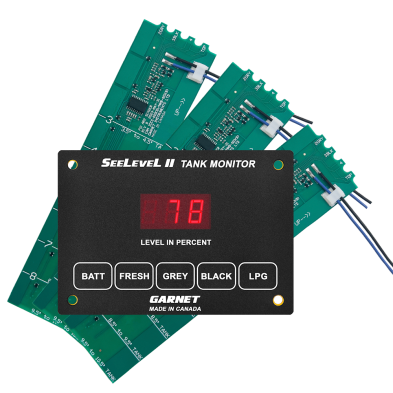
Finally, do yourself a favor and ditch the notoriously inaccurate factory tank sensors. We've all been there—the panel says your black tank is full after one day, or your fresh water reads empty when you know you just filled it. Upgrading to a modern tank monitoring system, like the SeeLevel II, gives you precise readings in percentages. This eliminates the guesswork and lets you plan your water usage and dump station visits with confidence.
Enhancing Your Ride and Off-Grid Capability
Beyond campsite convenience, certain upgrades can make your journey smoother and open up whole new possibilities for where you can camp. These enhancements focus on improving the towing experience and giving you the freedom to venture off the beaten path.
Here are a few popular projects that deliver significant returns:
- Suspension and Shackle Upgrades: The stock suspension on many fifth wheels is adequate, but upgrading to a system with wet bolts (greaseable fittings) and heavy-duty shackles makes a world of difference. It cuts down on noise, improves durability, and contributes to a smoother, less jarring ride for both you and your trailer.
- Solar Power Systems: Adding solar panels to your roof is the key to unlocking true off-grid freedom. A well-designed solar setup can keep your batteries charged, letting you run lights, fans, and even small appliances without needing a generator or electrical hookup. This opens up a world of boondocking opportunities in beautiful, remote locations.
- Upgraded Hitch or Pin Box: While your factory pin box gets the job done, an air-ride or cushioned pin box can dramatically reduce "chucking"—that fore-and-aft jerking you feel on rough roads. It absorbs road shock before it ever transfers to your truck, resulting in a significantly more comfortable and controlled towing experience. This upgrade protects both your truck and your fifth wheel trailer from unnecessary wear and tear.
Of all the things to think about when buying a fifth wheel, getting a real handle on the total cost of ownership is probably the most important. It's easy to get fixated on the sticker price, but the reality is that the final number goes way beyond the trailer itself. You have to account for the big-ticket items like the truck you'll need to pull it, all the essential gear, and the day-to-day costs of being on the road.
Trust me, figuring all this out before you sign on the dotted line is the key to avoiding financial surprises and making sure this adventure stays fun for the long haul.
Let's start with the most obvious part: the price of the fifth wheel. The range here is pretty huge. Looking at 2026 models, you can find new, entry-level fifth wheels starting around $50,000. Mid-range trailers, which are the sweet spot for a lot of families, will typically run you between $70,000 and $120,000. Of course, if you want all the bells and whistles—think residential appliances and luxury finishes—you can easily crest $150,000.
If you're on a tighter budget, don't sleep on the used market. It’s a fantastic way to get into a great rig without the brand-new price tag. I've seen plenty of well-cared-for, ten-year-old models sell for anywhere from $25,000 to $45,000.
The Big Ticket Item: The Tow Vehicle
Here's where a lot of first-time buyers get caught off guard: the truck. A fifth wheel isn't something you can tow with just any pickup. You need a heavy-duty truck, and that's a serious investment on its own. At a minimum, you're looking at a three-quarter-ton truck (like a Ford F-250 or Ram 2500). More often than not, especially for larger fifth wheels, you’ll need a one-ton dually (like a Chevy 3500) to safely manage the pin weight and overall size.
A new, properly equipped heavy-duty truck can easily set you back $60,000 to over $90,000. Even if you go the used route, a reliable, low-mileage truck from the last few years will probably cost between $40,000 and $60,000. For many people, this ends up being the single largest expense of the entire setup.
Initial Setup and Ongoing Expenses
Once you have your dream rig and the truck to pull it, you're not quite done spending. There are a few more upfront costs to get you on the road safely and legally.
- Hitch and Installation: A good fifth wheel hitch is non-negotiable. Depending on the features you want, like a slider for a short-bed truck or an air-ride system for a smoother tow, expect to spend $800 to $3,000. I always recommend professional installation, which typically adds another $500 to $1,000. If you want a deeper dive into those numbers, you can learn more about fifth wheel hitch installation costs in our dedicated guide.
- Insurance: This one can be a bit of a shock. Insuring a heavy-duty truck and a high-value fifth wheel can add up quickly. You should budget somewhere between $1,500 and $3,000 annually for comprehensive coverage on both.
- Storage: Unless you have the space to park your rig at home, you’ll need to factor in storage fees. An open outdoor lot might cost $75 per month, while a covered or indoor spot could be $250 or more.
Your annual maintenance budget is your financial safety net. A good rule of thumb is to set aside 1-2% of your fifth wheel’s purchase price each year for repairs, maintenance, and inevitable upgrades.
This maintenance fund is what will cover things like new tires, brake service, fixing a finicky appliance, or resealing the roof to prevent leaks. So, for a $90,000 fifth wheel, that’s a yearly budget of $900 to $1,800. Being ready for these costs is what makes the difference between a stressful problem and a minor inconvenience.
Got Questions About Fifth Wheels? We’ve Got Answers.
Jumping into the world of fifth wheels is exciting, but let's be honest—it also brings up a ton of questions. To help you get up to speed, I’ve put together some quick, real-world answers to the most common things new and future owners ask.
Do I Need a Special Driver's License to Tow a Fifth Wheel?
This is easily one of the most common questions I hear. The short answer is usually no, but there’s a huge catch you need to know about. For personal, recreational use, most states don’t require a special license like a Commercial Driver's License (CDL).
The deciding factor is almost always the combined weight of your truck and trailer. The magic number in most places is 26,001 pounds. If your Gross Combined Weight Rating (GCWR) is less than that, a standard license is typically all you need. However, a few states (like California, Maryland, and Texas) have specific requirements for heavier non-commercial rigs. You absolutely must check the DMV regulations for your home state and any state you plan to travel through.
Can Passengers Ride Inside a Fifth Wheel While It's Moving?
I’m going to be blunt here: the answer is a hard and universal NO. It’s not just illegal in the vast majority of states; it’s incredibly dangerous.
A fifth wheel trailer simply isn't built for passenger safety. Think about it—no seat belts, no airbags, and none of the crash-tested structures your truck has. During a sudden stop, a sharp turn, or an accident, anyone inside could be seriously hurt by flying objects or the sheer force of the impact. Everyone needs to be buckled up safely inside the truck whenever you're on the road. No exceptions.
The most common and dangerous mistake new fifth wheel owners make is underestimating their total weight and choosing an inadequate tow vehicle. Focusing only on the trailer's "dry weight" can lead to overloading the truck, creating a serious safety hazard.
What Is the Biggest Mistake New Owners Make?
Hands down, the biggest—and most dangerous—mistake I see is buying the wrong truck for the trailer. It’s easy to fall in love with a beautiful, spacious fifth wheel on the dealer lot and focus only on its "dry weight," or Unloaded Vehicle Weight (UVW).
That number is a trap. It's the weight of the trailer before you add a single thing. It doesn't include the heavy stuff like water, propane, food, clothes, and all your camping gear. Once you're fully loaded for a trip, the trailer's actual weight can soar, easily overwhelming your truck's payload and towing limits.
Always, always use the trailer's Gross Vehicle Weight Rating (GVWR) as your North Star. Then, find a truck that can handle that number with a comfortable safety cushion of at least 15-20%. This ensures you are not "maxed out," which improves safety, handling, and reduces wear and tear on your truck.
Whether you’re just starting your research or are ready to upgrade your current rig, having the right parts and expert advice makes all the difference. For an extensive selection of hitches, leveling systems, and thousands of other essential components, explore the inventory at RVupgrades.com. Find everything you need to maintain and enhance your fifth wheel trailer at https://www.rvupgradestore.com.