It’s a classic RV moment: you turn on the faucet expecting a steady stream, but all you get is a disappointing sputter. An instant headache, but before you start budgeting for a costly pump replacement, let’s run through the most common culprits.
From my own experience, a surprising number of water pressure problems are solved with a few simple tweaks, not a trip to the repair shop. This guide walks you through the exact steps I use to diagnose and fix the issue, starting with the easiest fixes first.
Quick Checks When Your Water Pressure Drops
Before you start tearing your plumbing apart, let's walk through the easy stuff first. More often than not, one of these simple fixes will get your water flowing again in under 15 minutes. It’s always best to rule out the obvious culprits before digging deeper.
The Most Common Culprits
You'd be amazed how many times the solution is one of these three things. They seem almost too simple, but they catch even the most seasoned RVers off guard.
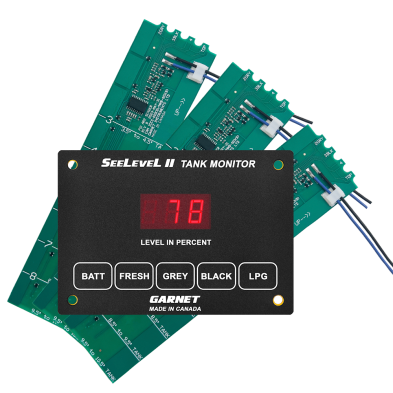
Freshwater Tank Level: A pump can’t move water that isn’t there. If your tank is running low, the pump will start sucking air, which leads to that frustrating sputtering and a total loss of pressure. Make sure your freshwater tank is at least one-third full. Don't trust the gauge blindly; they're notoriously inaccurate. If possible, visually inspect the tank level.
Pump Power and 12V System: Is the water pump switch actually on? It sounds basic, but check the switch at your main panel and any others you might have near sinks or bathrooms. Also, your pump runs on your RV’s 12V “house” power, so you'll want to confirm your battery disconnect switch is in the "ON" position and your batteries have a sufficient charge.
City Water Connection: If you're boondocking or not hooked up to a city water spigot, make sure the hose is completely disconnected from your RV’s inlet. A hose left connected, even if the other end is disconnected, can sometimes allow air to be sucked in, interfering with the pump's internal check valve and causing pressure issues. The same goes for any external water pressure regulators. If you want to learn more about how those work, check out our guide on the best RV water pressure regulators.
Your Post-Winterization Checklist
Just pulled your rig out of storage? If you've recently de-winterized, there's one valve that’s a notorious troublemaker: the winterization bypass valve. This valve is used to divert antifreeze through the system, and if it's left in the wrong position, your pump is just going to suck air from the antifreeze inlet hose instead of water from your tank.
Pro Tip: The winterization valve is usually a single-handle valve right near the water pump. For normal water flow, that handle needs to be parallel to the line coming from your freshwater tank, not pointing toward the short bypass hose used for antifreeze.
This is the very first thing I check if I have pressure problems in the spring. A quick turn of that handle often solves the problem instantly, saving me from a whole lot of unnecessary troubleshooting. These simple checks cover the vast majority of pressure drops I've ever encountered.
Pinpointing Common Causes for Pressure Loss
Alright, so the simple fixes didn't do the trick. Don't worry, it's time to roll up our sleeves and dig a little deeper. From my experience, most water pressure headaches aren't that complicated—they just like to hide in a couple of predictable spots.
We're going to tackle the two biggest offenders I see causing an RV water pump to lose pressure: a clogged inlet filter and sneaky air leaks in the intake line. Get a handle on diagnosing these two, and you’ll be able to solve the vast majority of pressure problems you'll face on the road. The best part? Both are usually simple and cheap to fix yourself.
Before we get our hands dirty, this flowchart is a great way to visualize the first few diagnostic steps. It helps make sure you’ve covered the basics before diving into the more specific culprits we're about to discuss.

The chart reinforces what we already know: before you start hunting for clogs or leaks, you’ve got to be sure there’s water in the tank, the pump has power, and your bypass valves are set right.
Navigating these symptoms can be confusing, so I've put together a quick reference table. Use it to match what you're seeing with the most likely cause.
Quick Guide to RV Water Pressure Symptoms
| Symptom | Most Likely Cause | Difficulty to Fix | Relevant Section |
|---|---|---|---|
| Sputtering/Spitting Faucet | Air in the line or a clogged strainer | Easy | Sections on Strainer and Air Leaks |
| Pump Cycles On and Off | Small leak in the system or bad pressure switch | Easy to Moderate | Sections on Air Leaks and Pressure Switch |
| Pump Runs But No Water | Clogged strainer, major air leak, or low tank | Easy to Moderate | Sections on Strainer and Air Leaks |
| Weak, But Steady Flow | Clogged strainer or low battery voltage | Easy | Sections on Strainer and Low Voltage |
| Pump Won't Turn On | No power, blown fuse, or seized pump motor | Easy to Hard | Sections on Power Issues and Pump Failure |
This table should help you zero in on the problem faster. Now, let's get to the fixes.
Inspecting the Pump Inlet Strainer
The first place I always check is the pump’s inlet strainer. This little filter is the number one offender. It’s there to stop gunk from your freshwater tank—sediment, plastic shavings left over from manufacturing, you name it—from getting into the pump and wrecking its internals.
As that debris builds up, the strainer gets clogged. Think of it like trying to breathe through a dirty mask; the pump has to struggle to pull water in, which leads to that weak, sputtering flow you’re getting at the faucet.
Finding it is easy. Just track down your water pump (the sound is a dead giveaway when it's running), and you'll spot the strainer attached right at the water inlet. It’s usually a small, clear plastic bowl that screws onto the pump, so you can often see the gunk right through it.
Here’s how to clean it out:
- First, turn off the water pump. Then, open a faucet to let the pressure out of the lines until the water stops flowing.
- Stick a small towel under the strainer to catch the little bit of water that will spill out.
- Carefully unscrew the clear bowl. It might be on there tight, but it should twist off by hand.
- Pull out the small metal mesh screen from inside the bowl.
- Give both the bowl and the screen a good rinse under running water. If you’ve got stubborn buildup, an old toothbrush and a little dish soap are your best friends here.
- Once it's all clean, put it back together. Make sure the rubber O-ring is clean and seated perfectly in its groove—this is crucial to prevent air leaks. Hand-tighten the bowl until it's snug, but don't go crazy and overtighten it.
My Two Cents: Regularly cleaning your pump's inlet strainer is the single best piece of preventative maintenance you can do for your water system. I make it a point to check mine every few months, and always after I've filled my tank from a water source I'm not familiar with.
Hunting for Air Leaks in the Suction Line
If you've cleaned the strainer and you’re still dealing with sputtering or a pump that just can't hold pressure, an air leak is the next logical suspect. Your pump is made to move water, not air. When it starts sucking in air, it loses its prime and you get that frustrating, pulsing flow.
These leaks almost always happen on the suction side of the system—that's the hose running from your freshwater tank to the water pump.
Here are the usual trouble spots:
- Loose fittings: Road vibrations are great at loosening the hose clamps that connect the line to the tank and the pump.
- Cracked or brittle hoses: This is especially common in older rigs. The plastic or vinyl hoses can get hard over time and develop tiny cracks that are almost impossible to see.
- Poorly seated strainer O-ring: If that O-ring didn't go back on just right after you cleaned the strainer, it's a perfect spot for air to sneak in.
Finding these leaks can feel a bit like a treasure hunt. Start with a visual inspection of every connection between the tank and the pump. Grab a screwdriver and check that all the hose clamps are snug. Gently flex the hose itself to see if any small cracks open up.
While we're talking about RV-specific issues, a lot of the same logic applies to household plumbing. General guides on how to fix low water pressure can offer some great extra insights if you're interested.
It's a fact that a clogged inlet filter is the culprit in roughly 70% of pressure-loss cases. But another 25% of the time, it's an air leak in the suction line that’s causing that tell-tale sputter. Understanding these two common failure points will make you much more confident in tackling water system repairs on your own.
Alright, if you’ve already checked for air in the lines and made sure your strainer is clean, but your pressure is still weak, it’s time to look at the pump itself. This is where we’ll need to get a little more hands-on, but don’t worry. A few basic tools and a step-by-step approach are all you need to figure out if you're dealing with an electrical gremlin or a mechanical failure.
Most of the time, it’s not the entire pump that’s gone bad. It's usually one specific part that's causing the headache. We’ll start by checking the power supply before digging into the common culprits like the pressure switch and the internal diaphragm.

Investigating Electrical Issues
Your RV's water pump runs on a simple 12V DC motor, but it’s surprisingly picky about its voltage. A weak battery can make a perfectly good pump act up, giving you frustratingly low pressure or just refusing to run at all. This is a classic issue when you’re boondocking and leaning hard on your house batteries.
Grab your multimeter; it’s the best tool for this job. Set it to DC voltage, turn the pump switch on, and touch the probes directly to the pump's positive and negative wire terminals. You want to see a reading that’s close to your battery's output—ideally above 12 volts.
If that number is dipping way below 12V, you've got a voltage drop problem. This usually points to one of three things:
- Low Batteries: This is the most common reason, hands down. If your house batteries are getting low, your pump is going to be one of the first things to protest.
- Corroded Connections: Take a look at the wiring at the pump, the fuse panel, and the battery itself. Any of that green or white crusty buildup creates resistance that robs the pump of the power it needs.
- A Blown Fuse: A blown fuse is a dead giveaway of an electrical issue. It might be a one-off from a power surge, but it can also mean the pump motor is drawing too much current because it's starting to fail.
Don't underestimate the impact of low voltage. From what I’ve seen, when voltage drops below 11V, pumps can start to struggle or even seize, especially when you're dry camping. A battery reading under 10.5V DC is basically dead as far as your appliances are concerned.
Diagnosing a Faulty Pressure Switch
One of the most frequent points of failure I see inside a water pump is the pressure switch. This little component is the brain of the operation, sensing the water pressure in your plumbing. It’s what tells the pump to kick on when you open a faucet and to shut off once the system is pressurized.
When a pressure switch goes bad, it usually manifests in one of two ways:
- The pump never shuts off: It just runs and runs, even with all the faucets closed.
- The pump cycles on and off like crazy: We call this "short cycling," and it gives you a pulsing, annoying water flow.
A pump that's constantly cycling on and off is a classic sign of a pressure-related problem. The pump builds a little pressure, the bad switch shuts it off too soon, the pressure drops instantly, and the whole cycle starts over.
You’ll often find a tiny adjustment screw right on the pressure switch. A slight turn can change the on/off pressure settings. Be careful here—a little goes a long way. A quarter-turn clockwise typically increases the shut-off pressure. Over-adjusting can create even bigger problems or damage the switch.
If a small adjustment doesn't fix it, or if your pump is running nonstop, the switch itself has probably given up the ghost. The good news is that for popular pumps like those from Shurflo, you can often buy and replace just the pressure switch assembly without needing a whole new pump. If this sounds like your problem, check out our guide on what to do when your RV water pump cycles on and off.
Recognizing a Failing Diaphragm or Motor
Okay, so you’ve confirmed the electrical system is solid and the pressure switch seems fine. Now the issue likely lies deep inside the pump's mechanical heart—the diaphragm or the motor itself. The diaphragm is a flexible, rubber-like disc that pulses back and forth to pull water in and push it out.
Over time, this diaphragm can get stiff, wear out, or even tear. When that happens, the pump loses its ability to create the suction and force needed to build proper pressure. The pump will sound like it’s running normally, but you’ll get a sad, weak stream of water at the faucet.
Unfortunately, there's no simple test for a worn-out diaphragm. It's really a process of elimination. If you’ve confidently ruled out everything else—clogs, air leaks, low voltage, and a bad pressure switch—a failing diaphragm becomes the prime suspect. While some pump models have replacement diaphragm kits available, the labor involved often makes it more practical to just replace the entire pump assembly.
If you’ve ever been jolted awake by your water pump kicking on and off for no reason, you know how maddening it can be. This constant "short cycling" feels like you're chasing a ghost, but it's one of the most common signs that your RV water pump is losing pressure. More often than not, the culprit is a tiny, hidden leak somewhere in your plumbing.
Let's walk through how to methodically hunt down these sneaky drips. We'll also take a look at the accumulator tank—a small but critical part that can mimic the symptoms of a bad pump when it fails.
Hunting for Elusive System Leaks
That constant on-and-off cycling is happening for a simple reason: a small leak is letting pressure slowly bleed out of your water lines. As soon as the pressure drops below the pump's preset limit, the pressure switch does its job and kicks the pump back on. This process repeats over and over, putting unnecessary wear on your pump and draining your batteries.
In my experience, a hidden leak is the root cause in about 75% of pump cycling cases. The pressure drops just below the pump's 30-40 PSI threshold, forcing it to kick back on constantly. A staggering 45% of these complaints I hear about trace back to loose fittings or tiny cracks that form after a rough winterization.
So, how do you find a leak that might only be a single drop every few seconds? The best way is with a simple "listen and wait" test.
- First, turn on your water pump and let it run until the system is fully pressurized and it shuts itself off.
- Go through your rig and double-check that every single faucet, shower head (don't forget the one outside!), and the toilet valve are all completely off.
- Now, the hard part. Be completely silent and just listen.
If that pump kicks on again after 30 seconds, a minute, or even five minutes, you've got a leak. The hunt is officially on.
Common Hiding Spots for Leaks
Start your search at the usual suspects. The constant vibrations from being on the road are tough on RV plumbing, and the fittings are almost always the first things to give.
- Toilet Valve: Grab a flashlight and check the water line connection at the back of your toilet. These plastic valves are notorious for developing slow, almost invisible drips.
- Faucet Connections: Get on your hands and knees and look under every sink. You're checking the hot and cold lines where they connect to the faucet body.
- Outdoor Shower: The plastic fittings and shower head on the outdoor unit take a beating from the sun and can easily crack, especially after a freeze.
- Water Heater: Carefully inspect the inlet and outlet connections on your water heater, as well as the pressure relief valve, for any trace of moisture.
- Low-Point Drains: Make sure the caps on your low-point drain lines are screwed on good and tight and aren't cracked from over-tightening.
Pro Tip: A little trick I use is to wrap a small, dry piece of toilet paper around any fitting I'm suspicious of. Even the tiniest leak will create a wet spot on the paper, making it way easier to find than trying to spot a clear drop of water on a plastic pipe.
When you're dealing with a persistent pressure drop and just can't find the source, it can be helpful to understand how professional leak detection services tackle these problems. It might give you a few new ideas or help you decide when it's time to call in an expert.
Diagnosing a Faulty Accumulator Tank
If you've gone over every inch of your plumbing and come up empty, it's time to turn your attention to the accumulator tank. This is a small canister, almost always installed right next to the water pump, that acts as a pressure buffer for the system. Inside, an air bladder absorbs pressure spikes, giving you a smoother water flow and making the pump's job easier. You can see how it fits into the grand scheme of things in this RV plumbing system diagram.
When an accumulator goes bad, it usually means the internal air bladder has ruptured or just lost its air charge. Without that air cushion, the tank gets "waterlogged." The second you open a faucet, the system pressure plummets instantly, forcing the pump to cycle violently to try and keep up.
A classic sign of a failed accumulator is a machine-gun-like sputtering from your faucets. The pump just can't handle the immediate pressure demand without its little helper.
To test it, find the Schrader valve on the tank (it looks just like the valve on a bike tire). Turn the pump off and open a faucet to relieve all the pressure in the lines. Now, use a simple tire gauge to check the pressure in the accumulator. It should be somewhere around 20-30 PSI, but check your manual for the exact spec. If you get a spray of water out of the valve or the gauge reads zero, the bladder is shot. The entire tank will need to be replaced.
Alright, you’ve been through it all. You’ve cleaned the strainer, hunted for air leaks, and double-checked the wiring, but your water pressure is still nowhere to be found. It’s official: the old water pump has finally called it quits.
Don't sweat it, though. This is actually a great opportunity. Replacing a dead pump means you can upgrade your RV’s whole water system, giving you better pressure and more reliability for your future trips. Choosing a new one can seem like a chore with all the different specs, but once you know what to look for, you’ll be able to pick the perfect pump for your rig and how you travel.

What to Look for: GPM and PSI
When you start browsing for pumps, you'll see two key numbers on every box: GPM (gallons per minute) and PSI (pounds per square inch). These two specs are what determine how the water feels when it comes out of your faucet or shower.
GPM (Gallons Per Minute): This is all about volume. A higher GPM means the pump can push more water through the lines, which is great if you need to run the shower and the kitchen sink at the same time without the flow dying. Most standard RV pumps sit around 3.0 GPM, which is plenty for a couple or solo RVer. If you've got a bigger family or a larger rig with multiple bathrooms, you might want to look at a 4.0 to 5.5 GPM pump to keep everyone happy.
PSI (Pounds Per Square Inch): This is all about pressure. A higher PSI is what gives you that strong, satisfying spray from the showerhead. You'll find that most pumps run between 45-55 PSI, which does a pretty good job of mimicking the pressure you're used to at home. Be aware that your RV's plumbing is only rated for a certain PSI (usually around 60-100 PSI), so don't install a pump that exceeds that rating.
The trick is finding the right balance. High GPM without enough PSI will feel weak, and high PSI with low GPM just won't deliver enough water. For the vast majority of RVers, a pump rated around 3.0 GPM and 50 PSI is the perfect sweet spot.
Standard vs. Variable Speed Pumps
The next big decision is whether to go with a classic standard pump or a more modern variable-speed model. They both do the same job, but how they do it is completely different.
Standard Diaphragm Pumps
These are the tried-and-true workhorses of the RV world. They operate at one speed: full throttle. When you open a faucet, they kick on at 100% and run until the system hits its shut-off pressure. This constant on-off cycle is what causes that classic "chugging" noise every RVer knows. Brands like Shurflo built their reputation on these simple, reliable, and affordable pumps.
Variable Speed Pumps (VSD)
These are the premium upgrade. A VSD pump has a smart motor that adjusts its speed based on how much water you’re using. Just crack a faucet open a little, and the pump spins up slowly and quietly. Open it all the way, and it ramps up to deliver full flow. This gives you a much smoother, quieter, and more "house-like" water flow without the constant cycling. Remco is a well-known name in this space.
The biggest draws for a variable-speed pump are how quiet it is and how little power it uses. Since it only runs as hard as it needs to, it’s much easier on your 12V system, making it a fantastic choice for anyone who loves to boondock.
A Quick Installation Guide
Got your new pump? Great. The installation is pretty straightforward and shouldn’t take long. You’ll just need a few basic tools like a Phillips head screwdriver, wire cutters and strippers, and maybe a pair of pliers.
Safety First! Before you touch anything, disconnect your RV from all power sources. Flip your main 12V battery disconnect switch to kill power to the pump. Then, open a faucet to relieve any pressure left in the water lines.
Get the Old Pump Out. Your old pump is likely held in by a few mounting screws, with two water lines (inlet and outlet) and two wires (positive and negative) attached. Start by unscrewing the water line fittings—keep a towel handy to catch any drips. Next, disconnect the electrical wires. With everything detached, just unscrew the pump from its mount and pull it out.
Prep the New Pump. Your new pump probably came with a few different fittings. Pick the ones that match your RV’s plumbing. This is also the perfect time to install a new inlet strainer if one wasn’t already attached. It's your best defense against clogs and future pressure problems.
Mount and Connect. Screw the new pump down, using the rubber grommets if they were included—they really help cut down on vibration and noise. Connect the inlet and outlet water lines, making them snug but not so tight that you risk cracking the plastic fittings.
Wire It Up. Now for the electrical. Connect the red wire to positive and the black wire to negative. I recommend using heat-shrink butt connectors to make sure you have a solid, weatherproof connection. A loose wire is a common reason for a pump to fail down the road.
Check Your Work. Turn the 12V power back on and flip the pump switch. It’ll run for a little while as it primes itself and fills the lines with water. Once it shuts off, give all your connections a good look to check for leaks. Then, go to each faucet and turn it on to purge any air from the lines and make sure you have strong, steady pressure. Job done.
Proactive Maintenance to Prevent Future Headaches
Alright, let's get this done. After spending an afternoon wrestling with a finicky water pump, the last thing you want is for it to act up again on your next trip. A little preventative maintenance goes a long way.
These simple habits will protect your plumbing, make your pump last longer, and give you some much-needed peace of mind when you’re out on the road. Most of this stuff takes just a few minutes but can save you from hours of frustration down the line.
Your Seasonal Maintenance Checklist
Just like you prep the rest of your RV for the changing seasons, your water system needs a little attention, too. I make it a habit to run through this list at the start and end of every camping season. It's the best way to catch small issues before they turn into trip-ruining headaches.
Clean the Pump Strainer: I can't stress this enough. That little inlet strainer is your pump's first and only line of defense against gunk. Clean it out every few months, and definitely clean it after filling your tank from a well or any unfamiliar water source.
Inspect Water Lines and Fittings: Take a flashlight and do a quick visual check of all the plumbing you can get to, paying close attention to the lines around the pump and under your sinks. You're looking for any hoses that seem cracked, brittle, or discolored. Give the fittings a gentle twist to make sure they're snug—road vibrations love to work them loose over time.
Test Your System: At least once a season, I run a quick leak test. Just turn on the pump to pressurize the system, then shut off all your faucets. Now, listen. If that pump kicks on again even for a second, you’ve got a slow leak hiding somewhere.
And of course, properly winterizing your plumbing is a huge part of this. Freeze damage is one of the most destructive and expensive problems an RVer can face. It’s notorious for creating multiple tiny, hidden leaks that will drive you crazy.
A Pro Tip for Ultimate Pump Protection
Over the years, I've learned one trick that has saved me more headaches than any other: installing a good inline water filter before the water pump. The pump's built-in strainer is great for catching larger debris, but it won't stop the fine sediment and minerals that really chew up a pump's internal diaphragm and pressure switch.
By filtering the water as it leaves your fresh tank, you're feeding your pump the cleanest water possible. This seriously cuts down on internal wear and tear, prevents clogs, and will dramatically extend the life of your entire water system. It’s a simple upgrade that pays for itself in the long run.
Making these habits part of your routine is the final step in mastering your RV’s water system. You'll go from reacting to problems to stopping them before they start. That means more time enjoying your trips and less time fixing things.
For all the parts and accessories you need to keep your water system in top shape, from new pumps to filters and fittings, RVupgrades.com has you covered. Visit https://www.rvupgradestore.com to find everything you need.