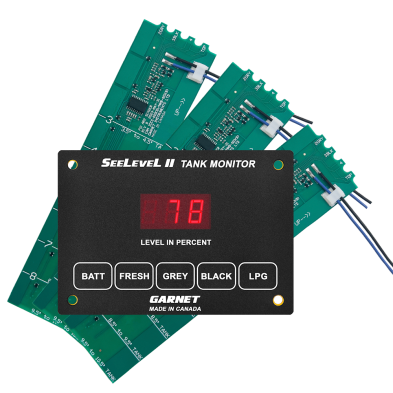
A 12v sla battery, or Sealed Lead-Acid battery, is the trusty workhorse tucked away in most RVs. It’s the component that reliably powers everything from your overhead lights to the slide-outs. Think of it as a maintenance-free power pack, designed to be spill-proof and dependable—the perfect unsung hero for your adventures on the road.
Your RV’s Unsung Powerhouse
Imagine your 12V SLA battery as the silent, dependable heart of your RV's electrical system. When you're parked at a scenic overlook, far from any power pedestal, this is what keeps your world running. It’s a self-contained power station that ensures your lights stay on and your water pump hums to life, all without needing constant attention.
This single component actually plays a crucial dual role. As a chassis battery, it provides the powerful jolt needed to start your engine. As a house battery, it delivers the steady, sustained energy required to run all your living-space amenities. From firing up the furnace on a cold night to extending the awning on a sunny afternoon, the 12V SLA battery is the foundation of your RV freedom.
The Reliable Foundation for RV Travel
The sheer number of these batteries out there speaks volumes about their reliability. The global SLI (Starting, Lighting, and Ignition) battery market, where the 12v sla battery is the backbone, reached a staggering USD 26,932 million in 2025. This just underscores the enduring trust we place in these sealed lead-acid powerhouses for everything from our cars to the motorhome in the driveway.
Modern innovations have also boosted their lifespans by up to 30% over older flooded types, making them a perfect fit for the demands of today's travel trailers and fifth-wheels. You can discover more about these global battery market trends and what they mean for RV owners like us.
Getting a handle on this battery is the first step toward mastering your rig's power system. Without it, you're tethered to campgrounds and shore power. With a healthy, well-maintained SLA, you unlock the true potential of RVing—the ability to go anywhere and be completely self-sufficient.
A healthy battery system isn't just about convenience; it's about safety and peace of mind. Knowing your power source is reliable allows you to focus on the journey, not worry about whether your slide-out will retract when it's time to leave.
What This Guide Will Cover
My goal with this guide is to demystify the 12V SLA battery and give you practical, real-world knowledge. We'll explore everything you need to know, from its internal chemistry to maintenance tips I've picked up over the years. You’ll learn how to:
- Choose the right type: We’ll compare the two main SLA variations, AGM and Gel, to help you match the technology to your travel style.
- Understand the specs: We'll break down what Amp Hours (Ah) and Cold Cranking Amps (CCA) actually mean for your camping experience.
- Maximize its lifespan: I'll share some simple maintenance routines that can save you money and prevent those trip-ruining power failures.
By the end, you'll see your battery not just as a heavy box, but as a key piece of gear that enables your best adventures.
Choosing Your Power: AGM vs. Gel SLA Batteries

When you start shopping for a 12v SLA battery, you’ll immediately run into two main players: Absorbent Glass Mat (AGM) and Gel. Both are "sealed" and maintenance-free, but how they work on the inside is totally different. Picking the right one really comes down to how you use your RV.
Let’s dive into what makes each of them tick so you can make a solid choice for your rig.
AGM Batteries: The All-Around Workhorse
Think of an AGM battery as a high-tech sponge. Fine fiberglass mesh is soaked in the battery's electrolyte and then wedged tightly between the lead plates. It's a simple but brilliant design.
This construction makes the battery incredibly tough and completely spill-proof—a huge benefit when you’re dealing with the constant vibrations and bumpy roads of RV travel. Traditional flooded batteries just can't handle that kind of abuse.
Thanks to this tightly packed setup, AGM batteries have super low internal resistance. In plain English, that means they're fantastic at delivering big bursts of power on demand. Need to start your engine or fire up a power-hungry appliance like a microwave? The AGM is your go-to.
Here's a quick rundown of what makes them so popular:
- Vibration Resistance: The packed glass mat design makes them practically immune to the shaking that can destroy a standard battery.
- High Power Output: They excel at providing the high current needed for engine starts or running slide-out motors, making them great dual-purpose batteries.
- Faster Charging: AGMs can recharge up to five times faster than old-school flooded batteries. That means less time running your generator and more time enjoying the peace and quiet.
This technology is so dependable that Valve-Regulated Lead-Acid (VRLA) batteries, the family both AGM and Gel belong to, account for nearly 95% of global lead-acid battery shipments. With a market projected to hit $64.15 billion by 2031, you can be sure this proven tech is here to stay. You can learn more about the growth of the lead-acid battery market and see why it’s so important for RVers.
Gel Batteries: The Endurance Champion
Now, let's switch gears to Gel batteries. Instead of a liquid or a soaked mat, the electrolyte is mixed with silica to create a thick, pudding-like gel. This goo completely immobilizes the electrolyte, making the battery spill-proof and exceptionally durable.
This unique chemistry gives Gel batteries a major edge in certain situations, especially for off-grid camping. They are incredibly resistant to damage from deep discharges. That means you can drain them down further without hurting them, which is a massive plus for boondockers who rely on their battery bank for days at a time.
RVer Tip: Think of Gel batteries as the marathon runners of the battery world. They don’t have the raw sprinting speed of an AGM, but their endurance for long, slow power draws is incredible. They are perfect for running things like lights, fans, and refrigerators over several days.
Gel batteries also tend to handle extreme temperatures—both hot and cold—a bit better than their AGM cousins. When the weather gets really nasty, that extra resilience can make all the difference.
The main trade-off? Gels are picky about how they're charged. They need a slower, more precise charging voltage. If you use the wrong charger, you can create air pockets in the gel that permanently cripple the battery. A high-quality smart charger with a dedicated Gel setting isn't just a recommendation; it's a requirement.
To make things easier, here’s a quick comparison to help you decide which one is the right fit for your rig.
AGM vs. Gel SLA Batteries for Your RV
| Feature | AGM (Absorbent Glass Mat) | Gel | Best RV Use Case |
|---|---|---|---|
| Power Delivery | Excellent for high-current bursts (engine starting, microwaves). | Better for slow, steady, deep-cycle discharge. | AGM: All-around use, especially for motorhomes needing to start an engine. Gel: Boondocking and off-grid power for house needs. |
| Durability | Highly vibration resistant and spill-proof. | Extremely vibration resistant and spill-proof. | Both are excellent for the road, but Gel is slightly more rugged. |
| Charging | Charges up to 5x faster than flooded batteries. Tolerates higher charge rates. | Requires a slower, precise charging profile. Sensitive to overcharging. | AGM: Best for users with solar or generators who need a quick recharge. Gel: Ideal for set-it-and-forget-it solar systems with a proper controller. |
| Deep Discharge | Good, but repeated deep discharges will shorten its life. | Excellent. Very resistant to damage from being deeply drained. | Gel is the clear winner for anyone regularly running their batteries low. |
| Lifespan | Typically 4-7 years, depending on use and maintenance. | Often longer, 5-10+ years, if charged correctly. | Gel can last longer, but only if you nail the charging process every time. |
| Cost | Generally less expensive than Gel batteries. | Typically more expensive upfront. | AGM offers a better price-to-performance ratio for most RVers. |
Ultimately, both AGM and Gel batteries are massive upgrades over traditional flooded batteries. An AGM is the versatile, powerful choice that fits most RVers' needs perfectly. But if you're a serious boondocker who values endurance and deep-cycle resilience above all else, a Gel battery, paired with the right charger, is tough to beat.
Translating Battery Specs Into Real-World Performance
Looking at the label of a 12V SLA battery can feel like trying to read a foreign language. It's covered in acronyms and numbers—Ah, CCA, RC—that don't mean much without some context. But for an RVer, these aren't just technical terms; they're the key to understanding exactly how your battery will perform when you need it most.
Think of it this way: you wouldn't buy a new truck without knowing its towing capacity or fuel mileage. The specs on your battery are just as critical for a successful trip. Let's translate these numbers into real-world performance so you can confidently choose the right power source for your rig.
Amp Hours (Ah): Your Energy Fuel Tank
The most crucial spec for any RVer, especially if you love boondocking, is Amp Hours (Ah). This number tells you the battery's energy storage capacity. An easy way to visualize it is to think of the Ah rating as the size of your energy fuel tank.
A battery with a 100 Ah rating can theoretically deliver 1 amp of current for 100 hours, or 5 amps for 20 hours. The higher the Ah, the longer you can run your lights, water pump, refrigerator, and fans before the battery needs a recharge. For weekend campers, a smaller Ah battery might be fine. But for full-timers or those who love to camp off-grid for extended periods, a larger Ah capacity is a must-have.
RVer Scenario: Imagine you're camping for a long weekend without hookups. A 75 Ah battery might get you through one night of running the furnace fan, lights, and water pump. However, a 150 Ah battery bank could easily last you the entire weekend, giving you the freedom to stay longer and enjoy your remote campsite without constantly worrying about your power levels.
Cold Cranking Amps (CCA): The Starting Muscle
While your house batteries are all about endurance, a chassis battery needs raw power. This is where Cold Cranking Amps (CCA) comes in. This rating measures a battery's ability to start an engine in cold temperatures—specifically, the number of amps it can deliver at 0°F (-18°C) for 30 seconds while maintaining a voltage of at least 7.2 volts.
Think of CCA as the battery's "starting muscle." The higher the CCA number, the more juice it has to turn over a cold, sluggish engine. For RVers who camp in the mountains or travel during the colder months, a high CCA rating is essential. A battery with a low CCA might struggle or completely fail to start your motorhome on a frosty morning, leaving you stranded.
If you have a travel trailer, the CCA of your tow vehicle's battery is what matters for getting started. But for motorhome owners, the chassis battery's CCA is a critical spec for reliability and peace of mind.
Reserve Capacity (RC): Your Emergency Endurance
Finally, there's Reserve Capacity (RC). This spec is your battery's emergency backup plan. It measures how many minutes a fully charged battery can deliver 25 amps of power before its voltage drops too low to be useful. Essentially, RC tells you how long you can run essential components if your vehicle's charging system—like the alternator—fails while you're driving.
A high RC means you have more time to safely pull over if your alternator belt snaps or the system malfunctions. It's the safety net that can keep your headlights, power steering, and ignition running long enough to get off the road.
Understanding these three key metrics—Ah, CCA, and RC—empowers you to look at any 12V SLA battery and know exactly what it offers. You'll be able to match the battery's strengths to your unique camping style, whether that means maximizing your off-grid time with high Amp Hours or ensuring a reliable start in the mountains with strong Cold Cranking Amps. For RVers looking to expand their battery bank, it's also helpful to learn more about how to wire RV batteries in parallel to increase your overall Ah capacity.
Making the Smart Choice: SLA vs. Lithium RV Batteries
It’s the big question on every RVer's mind these days: stick with the tried-and-true 12V SLA battery, or make the jump to a modern Lithium (LiFePO4) setup? I’m here to tell you there’s no single "winner." The right choice really comes down to your budget, how you travel, and what your long-term plans are.
This isn't just a technical debate—it’s a real-world decision that affects your freedom on the road and what’s left in your wallet. So, let's break down the key differences to help you figure out which battery technology is the right fit for your RVing style.
Choosing Your RV Power Source: SLA vs. Lithium
Deciding between a traditional SLA battery and a newer Lithium one can feel overwhelming. To make it easier, I've put together a table that lays out the major differences—from the initial price tag to how much they weigh and how long they'll last you. Think of this as your quick-glance guide to picking the right power source for your adventures.
| Factor | 12V SLA (AGM/Gel) | 12V Lithium (LiFePO4) | Which is Better For You? |
|---|---|---|---|
| Upfront Cost | Lower initial investment. A very budget-friendly option for getting started. | Significantly higher upfront cost, often 3-5 times more than SLA. | SLA is perfect for weekend warriors or those on a tight budget. |
| Long-Term Value | Shorter lifespan (400-1,000 cycles). You'll likely replace it several times. | Much longer lifespan (3,000-5,000+ cycles). One battery can outlast multiple SLAs. | Lithium offers a better return over the long haul for full-timers and frequent travelers. |
| Weight | Very heavy. A 100Ah battery can weigh over 60 pounds. | Extremely lightweight. A 100Ah battery is around 25 pounds—less than half the weight! | Lithium is the clear winner for anyone concerned about GVWR, fuel economy, and handling. |
| Usable Capacity | Safely use only 50% of its capacity. A 100Ah battery gives you ~50Ah of power. | You can use nearly 100% of its capacity. A 100Ah battery gives you close to 100Ah. | Lithium provides almost double the usable power for the same amp-hour rating, a huge perk for boondockers. |
| Maintenance | Requires periodic checks and needs to be kept charged to avoid damage. | Virtually maintenance-free. No need to worry about watering or equalization charges. | Lithium is the set-it-and-forget-it choice, saving you time and hassle. |
After looking at the table, it's pretty clear that each battery has its place. If you're a casual camper who mostly stays at sites with hookups, the affordability of an SLA battery is hard to beat. But if you're a serious boondocker or a full-timer who needs reliable, lightweight power day in and day out, the long-term benefits of lithium are tough to ignore.
Upfront Cost vs. Long-Term Value
The first thing you’ll notice is the price tag. A quality 12V SLA battery, whether it’s an AGM or Gel, is much easier on the wallet upfront. For weekend warriors or anyone just getting into RVing, that lower initial cost makes SLA the practical, common-sense choice.
Lithium batteries, on the other hand, require a much bigger investment—we're talking three to five times the cost of a comparable SLA. But the story doesn't end there. The real magic of lithium is in its long-term value.
A single lithium battery can handle 3,000 to 5,000 charge cycles. A good SLA battery? You’re looking at maybe 400 to 1,000 cycles. This means one lithium battery could easily outlast several SLA batteries, making it the cheaper option over the life of your RV.
I like to think of it this way: buying an SLA is like getting a reliable used car. It gets the job done at a great price. A lithium battery is like buying a brand-new electric vehicle—more expensive today, but with lower "fuel" costs and a longer life that pays for itself down the road.
The Weight Difference and Its Impact
In the RV world, every pound counts. Extra weight hits your fuel economy, affects how your rig handles, and limits how much gear you can bring along. This is where lithium batteries have a massive, undeniable advantage.
A typical 100Ah SLA battery tips the scales at over 60 pounds. A 100Ah lithium battery with the same power? Around 25 pounds. That's less than half the weight. If you're building a serious battery bank for off-grid camping, this difference is staggering. Four SLA batteries would add over 240 pounds to your RV, while a similar lithium bank is just 100 pounds.
Shedding that weight means better gas mileage and less strain on your RV’s frame and suspension. For full-timers and avid boondockers trying to squeeze every bit of performance out of their rig, this factor alone can make the switch to lithium a no-brainer. If this sounds like you, you might want to check out our guide to the best RV battery for boondocking, where the power-to-weight ratio is a huge deal.
Performance and Usable Capacity
Beyond cost and weight, how a battery performs under load is what really matters on the road. A key advantage of lithium is that you can use nearly 100% of its rated capacity. With an SLA battery, you should only discharge it to 50% to avoid damaging it and drastically shortening its life.
What does that mean in practice? A 100Ah lithium battery gives you almost double the usable power of a 100Ah SLA. You can run your appliances longer without worrying about harming your battery.
So, the choice is yours. If you’re a casual RVer who sticks to campgrounds with hookups or just takes a few weekend trips a year, the dependable and affordable 12V SLA battery is a fantastic, cost-effective solution. But if you’re a full-timer, a dedicated boondocker, or someone who wants to maximize performance and shed weight, investing in lithium could be the smartest upgrade you ever make.
How to Maximize Your Battery's Lifespan

A dead battery can bring a fantastic RV trip to a screeching halt. The good news is that with a little preventative care, you can avoid that headache and get the most out of your investment. Properly looking after your 12V SLA battery means you’ll have reliable power right when you need it.
Think of it less like a chore and more like an insurance policy for your adventures. All it takes are a few simple, consistent habits to keep your battery healthy and ready for the road.
Why a Smart Charger Is Your Battery's Best Friend
If there's one thing you do for your battery, make it this: use the right charger. A modern multi-stage "smart" charger is like a personal trainer for your battery; it knows exactly how to get it in shape without causing damage.
These chargers automatically tweak their voltage and current through different stages—usually Bulk, Absorption, and Float. This process gives you a fast, full charge without the risk of overcharging, which can literally boil the electrolyte and wreck the internal plates for good.
Overcharging is like force-feeding your battery, while undercharging is like starving it. Both extremes are destructive. A smart charger provides the perfect "diet" to keep it in peak condition, extending its life significantly.
Consistently undercharging is just as bad. It causes a nasty condition called sulfation, where lead sulfate crystals build up on the battery plates. This build-up slowly chokes the battery's capacity until it just can't hold a charge anymore.
Proper Off-Season Storage Practices
How you store your battery during the off-season can make or break it. Just leaving a 12V SLA battery hooked up in your RV for months is a recipe for disaster. Small "parasitic" draws from things like sensors and appliance clocks will slowly drain it to zero.
Follow these simple steps for safe winter storage:
- Fully Charge It First: Before you put it away, make sure the battery is at 100%. A discharged battery is a prime target for freezing and sulfation.
- Disconnect and Remove: Always disconnect the negative terminal first, then the positive. If you can, take the battery right out of the RV.
- Store in a Cool, Dry Place: Find a spot that’s protected from wild temperature swings, like a garage or basement. Try to avoid placing it directly on a concrete floor, which can make it discharge faster.
- Check and Recharge Periodically: Even in storage, batteries lose a little juice over time. Check its voltage every month or two and top it off with your smart charger to keep it healthy.
While these tips are specific to SLA batteries, it's always good to understand the best practices for other types, too. For example, reading up on safely storing lithium batteries can offer great insights into general battery care, even though the chemistries are different.
Your Monthly Maintenance Checklist
A quick checkup once a month takes just a few minutes and can spot problems before they leave you stranded. This simple routine keeps your connections clean and secure, ensuring you get every bit of power you're supposed to.
- Visual Inspection: Look for any cracks in the battery case or signs of bulging. A swollen battery is a red flag for internal damage from overheating or overcharging and needs to be replaced immediately.
- Clean the Terminals: Check the terminals for that crusty, white powder (corrosion). If you see any, disconnect the battery and give the posts and cable clamps a good scrub with a wire brush and a paste of baking soda and water.
- Check Connections: Make sure the cable clamps are snug on the battery posts. A loose connection creates resistance, which can generate heat and stop the battery from charging or delivering power correctly.
By investing just a little time in these simple habits—using a smart charger, storing it right, and doing quick inspections—you can dramatically extend the life of your 12V SLA battery and make sure it's always ready for your next adventure.
A Practical Guide to Buying and Installing Your Battery
Alright, theory is great, but putting that knowledge into practice is the best part of any RV project. Now that you’ve got a handle on the tech, let’s walk through the real-world steps of picking out and safely installing a new 12V SLA battery. My goal here is to make sure you get a battery that not only powers your rig but also fits into its designated spot without any headaches.
How Big of a Battery Do I Actually Need?
This is always the first question, and it's the most important one. Buy a battery that’s too small, and you’ll be left in the dark. Go too big, and you're just wasting money and payload capacity. The key is to run a quick power audit to figure out your daily energy appetite.
Here’s a simple way I do it:
- List Your Appliances: Jot down every 12V device you rely on when you're off-grid. Think lights, water pump, furnace fan, fridge controls, and vent fans.
- Find the Amperage: Check the label or manual for the amp draw of each device.
- Estimate Daily Use: For each one, make a realistic guess of how many hours it runs per day.
- Calculate Amp Hours (Ah): Now, just multiply the amp draw by the hours of use. This gives you the daily Ah for each appliance.
- Total It Up: Add up all the Ah numbers to get your grand total.
A Real-World Example:
- LED Lights (4 amps) x 4 hours = 16 Ah
- Water Pump (7 amps) x 0.5 hours = 3.5 Ah
- Furnace Fan (8 amps) x 5 hours = 40 Ah
- Total Daily Need = 59.5 Ah
Now for the crucial part: you only want to use about 50% of an SLA battery's capacity to keep it healthy for years to come. So, for a 59.5 Ah daily need, you’ll double that number to find your target battery size: 119 Ah. In this case, a 120-150 Ah battery bank would be the perfect fit.
Ensuring a Perfect Physical Fit
Once you know the capacity you need, the next step is all about geometry. RV battery compartments can be notoriously tight, so measuring twice is a must. Before you click "buy," grab a tape measure.
- Measure Your Space: Get the exact length, width, and height of your battery tray or box. Don't eyeball it!
- Check Terminal Type and Location: Take a look at your current battery. Does it have top posts? Side posts? Make a note of the terminal style and, just as importantly, which side the positive and negative terminals are on. You need to be sure your existing cables can reach without stretching.
Trust me, there’s nothing more frustrating than hauling a new battery home only to find it’s an inch too tall or the terminals are on the wrong side.
Your Step-by-Step Installation Safety Checklist
Swapping a 12V SLA battery is a totally manageable DIY job, but only if you make safety your top priority. These batteries pack a serious punch, so taking a few precautions isn't optional.
Here’s a safety-first checklist to get it done right:
- Gear Up: Put on safety glasses and gloves. Battery acid is no joke, and sparks are a real hazard around battery gasses.
- Turn Everything Off: Make sure your RV's main power disconnect is switched off. Unplug from shore power, too.
- Disconnect the OLD Battery (Negative First): This is the golden rule. Using the right wrench, always disconnect the negative (-) terminal first. This breaks the circuit and prevents you from creating a dangerous spark if your tool accidentally touches the RV frame while you're working on the positive side. Then, disconnect the positive (+) terminal.
- Remove and Clean: Carefully lift the old battery out. Now’s a great time to clean up any corrosion on the tray with a simple baking soda and water paste.
- Install the NEW Battery (Positive First): Set the new battery in place and secure it so it can't slide around. When hooking it up, you'll do the reverse of the removal: connect the positive (+) terminal first, then connect the negative (-) terminal last.
- Tighten and Protect: Make sure the connections are snug but don't overtighten them. A quick spray of a terminal protector can go a long way in preventing future corrosion.
Following that disconnect/reconnect sequence is the single most important part of the job. For a deeper dive into managing your RV's power, check out our guide on RV battery disconnect switch installation. And remember, while this guide should give you the confidence to tackle it yourself, there's no shame in calling a pro if you feel even the slightest bit unsure. Better safe than sorry
Common Questions About RV SLA Batteries
When you're trying to wrap your head around your RV's power system, a lot of questions come up. To help clear the air, I’ve pulled together some of the most common things people ask about their 12v sla battery, with quick, practical answers to get you on the right track.
How Many Years Should My RV Battery Realistically Last?
A well-maintained 12V SLA battery, whether it's an AGM or a Gel, should give you three to six years of solid service. But that's not a guarantee—it really comes down to how you treat it.
A few things make all the difference in how long it'll hold up:
- How You Use It: If you're frequently boondocking and doing deep discharges, your battery will wear out a lot faster than someone who mostly sticks to weekend trips with shore power.
- Your Charging Routine: This is the big one. Using a multi-stage smart charger and making sure you never overcharge or let it sit dead is the single best thing you can do for its lifespan.
- Off-Season Storage: Putting your battery away for the winter? Make sure it's fully charged, disconnected, and stored in a cool, dry spot. This prevents sulfation and freeze damage that can kill it before next season.
Is It Okay to Mix Old and New Batteries?
In a word: no. I've seen people try it, and mixing old and new batteries in the same bank is a recipe for trouble. The older, weaker battery will act like an energy vampire, constantly draining the new one. This drags them both down, leading to poor performance and a much shorter life for the whole bank.
For the best performance and longest life, always replace all the batteries in a bank at the same time. This keeps them perfectly matched in capacity and resistance, so they can charge and discharge together like a well-oiled machine.
Key Warning Signs of a Failing Battery
Your battery will usually give you a few hints before it completely gives up the ghost. Keep an eye out for these classic signs:
- Dimming Lights: If your 12V lights are flickering or just seem weaker than usual, that's a tell-tale sign of a battery on its way out.
- Slow-Moving Slides or Jacks: Those big power-hungry systems like slides and leveling jacks need a lot of juice. If they're struggling or moving slowly, your battery probably can't deliver the current they need anymore.
- Physical Bulging or Swelling: A swollen battery case is a serious red flag. It points to internal damage from overcharging or overheating. If you see this, replace it immediately.
- Trouble Holding a Charge: Does your battery seem to die way faster than it used to? That's a clear indicator that its capacity has faded over time.
This simple infographic breaks down the process for buying your next 12V SLA battery. It’s pretty straightforward.

Stick to these three steps—calculating your power needs, measuring your space, and installing it safely—and you'll get the right battery for your RV the first time around.
Ready to find the perfect power solution for your rig? Explore a massive selection of top-quality RV batteries and accessories at RVupgrades.com. With over 20,000 products and expert support, we make it easy to maintain and upgrade your RV with confidence. https://www.rvupgradestore.com